25 Best Places to visit in Japan

Explore the best places to visit in Japan with Utazzo Holidays, from vibrant cities and ancient temples to scenic mountains, beautiful gardens, and cultural landmarks. Discover Japan’s unique charm and unforgettable travel experiences.

Japan Tourist Places

Japan is one of those countries where a single day can feel like three different holidays. You might start with coffee in a glass-and-steel Tokyo neighbourhood, spend the afternoon among moss-covered temples, and end the night soaking in a hot spring while snow falls outside. That range is exactly what makes planning tricky.

There is too much to choose from, and the map looks small until you check train times. This guide narrows things down to 25 places, from big cities and old castle towns to mountain villages, islands and food streets.

The Japan destinations below suit different budgets, seasons and travel styles, so you can pick what fits you instead of copying somebody else's list. Start with the quick table to spot places that match your interests, then read on for a closer look at each stop, including how long to stay and what is actually worth doing there.

  • Tokyo

    Tokyo

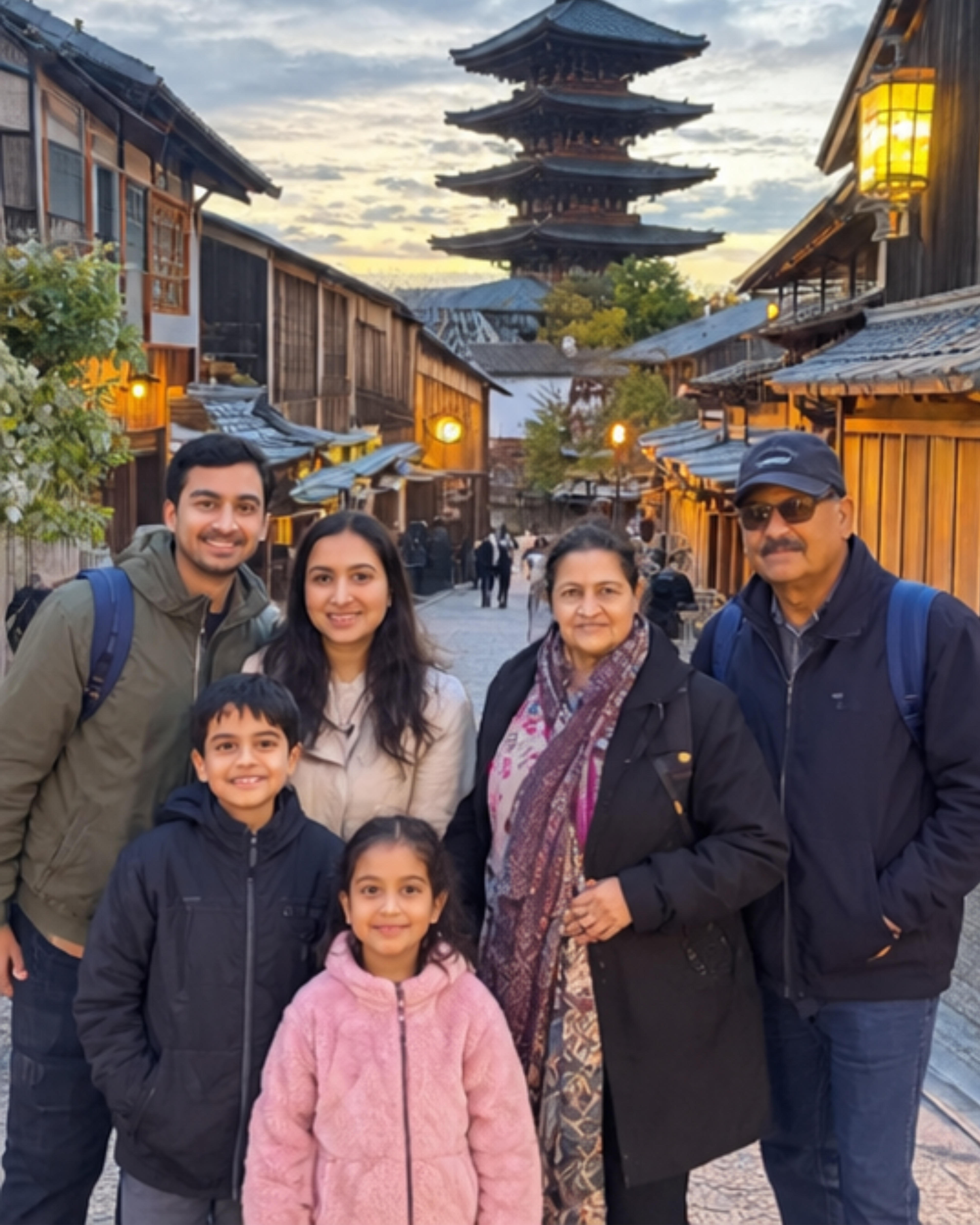
    Most people land in Tokyo first, and honestly, it's one of the most famous places to visit in Japan for a reason. Start at Shibuya Crossing and watch hundreds of people cross in every direction without bumping into each other. Then head to Meiji Shrine, which sits inside a forest and is so quiet you'll forget how big the city is. Asakusa comes next for Senso-ji, the oldest temple in Tokyo, and the snack stalls on the lane leading up to it. Shinjuku is for after dark, when the side streets fill up with ramen counters and tiny bars. Tokyo Skytree has the widest views, and families usually give one full day to Tokyo DisneySea. The contrast is the best part, because a centuries-old shrine can sit two streets away from a glass tower.

    • Recommended duration: 3–4 days
    • Best experiences: Sunset from the Skytree decks, a late ramen dinner in Shinjuku, a full day at Tokyo DisneySea.

  • Kyoto

    Kyoto

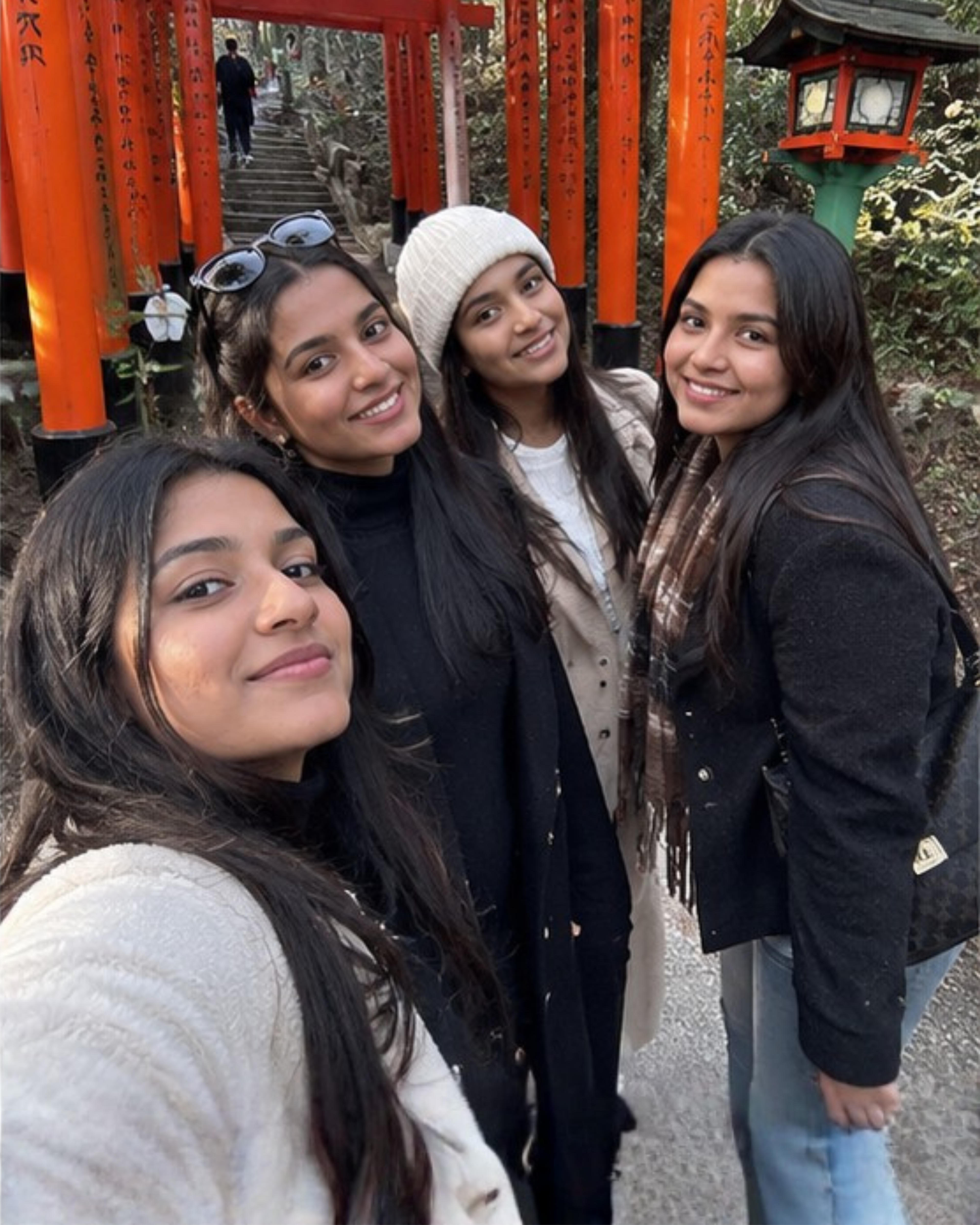
    Ask anyone who has been to Japan what they loved most, and Kyoto comes up a lot. It's one of the must visit places in Japan if you want the postcard version of the country: wooden teahouses, temples on hillsides, people in kimonos walking through Gion. The city was the capital for more than a thousand years, and hundreds of temples and shrines are still standing. Fushimi Inari, with its tunnel of red gates, is a must, and so is Kinkaku-ji, the golden pavilion that looks almost unreal beside its pond. Kiyomizu-dera has that famous wooden stage. Go to Arashiyama's bamboo grove before 8 am, or you'll end up with photos of other people's backs. Kyoto isn't about ticking off museums. You just walk, and history is everywhere.

    • Recommended duration: 2–3 days
    • Best experiences: Sunrise at Fushimi Inari, a tea ceremony, an evening stroll through Gion, a kimono rental for photos.

  • Osaka

    Osaka

    Come to Osaka hungry, because eating here is one of the most fun things to do in Japan. Locals even have a word for it, kuidaore, which roughly means eating until you drop. Dotonbori is the place to be at night, with neon signs, big crowds and stalls handing out takoyaki and okonomiyaki. For fresher food, Kuromon Market has seafood and snacks you can eat standing up. Osaka Castle covers the history side, and Universal Studios Japan is the big pick for families. Compared with Tokyo and Kyoto, the city is louder and more casual. People chat with strangers, and it's easy to relax.

    • Recommended duration: 2–3 days
    • Best experiences: A street-food crawl along Dotonbori, sunset at the Umeda Sky Building's Floating Garden Observatory, a day trip to Nara or Kobe.

  • Mount Fuji

    Mount Fuji

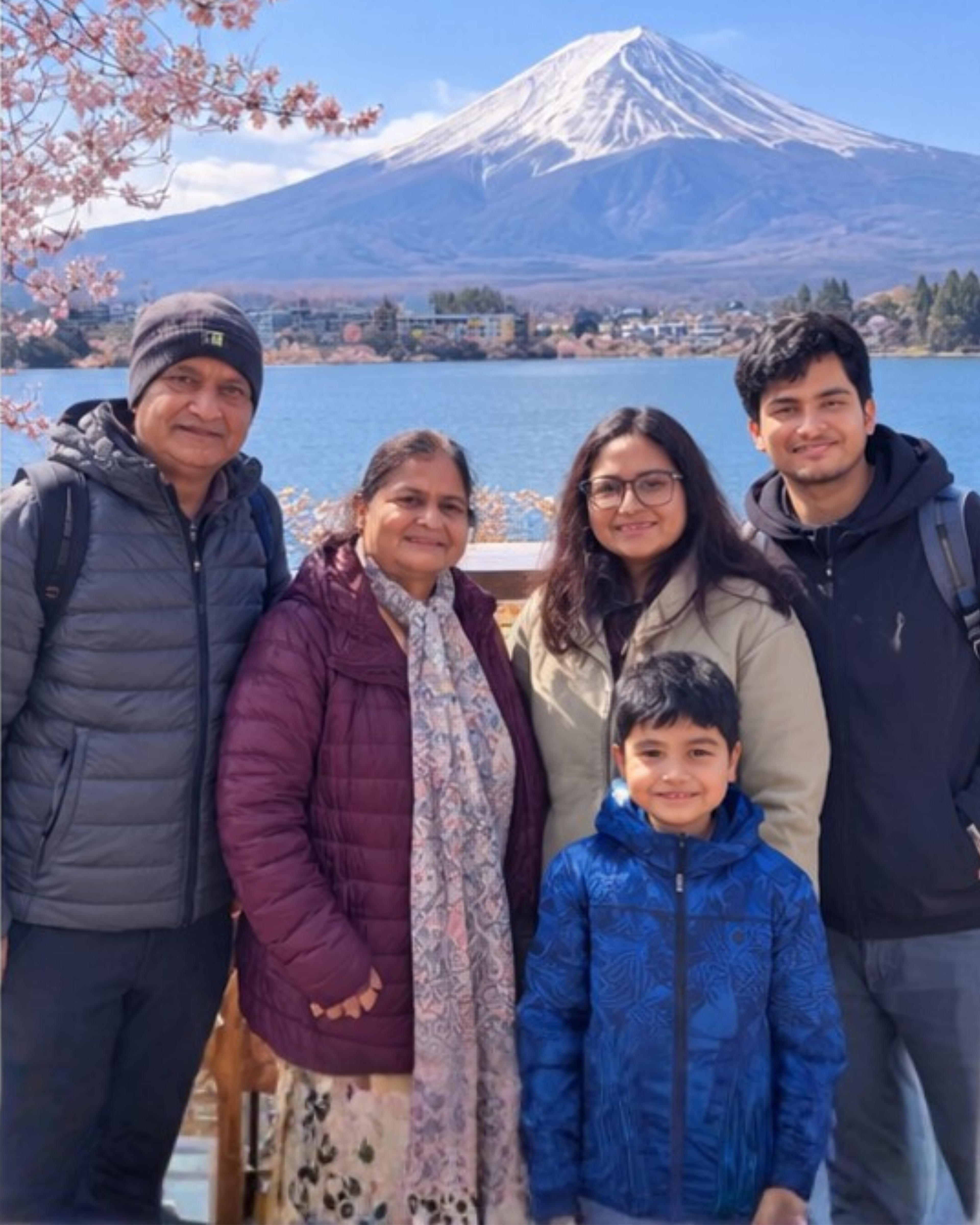
    At 3,776 metres, Mount Fuji is the tallest mountain in Japan and one of the must-see places in Japan, even if you never climb it. Most travellers just look at it. The best views are around Lake Kawaguchiko, where the peak reflects in the water on a clear morning, and Chureito Pagoda is another famous photo spot, especially in spring and autumn. Want to climb? The official season runs roughly from July to early September, so book huts and transport early. One warning: Fuji hides behind clouds more often than you'd expect. Cold, clear mornings between late autumn and winter usually give the sharpest views, so keep a spare day if photography matters to you.

    • Recommended duration: 1–2 days
    • Best experiences: Sunrise at Lake Kawaguchiko, the Chureito Pagoda viewpoint, a night in a lakeside ryokan with a Fuji view.

  • Hakone

    Hakone

    If your legs are tired from city walking, Hakone fixes that. It's the easiest place to combine Japan sightseeing with real rest, and it's only about 90 minutes from Tokyo. The classic loop uses a mountain train, a ropeway and a cruise across Lake Ashi, so you see plenty without much effort. Fuji shows up on clear days. The Open-Air Museum and the steaming volcanic valley of Owakudani are worth adding if you have time. But the real reason to come is an onsen (hot spring) stay. Book a ryokan with a private bath, eat the set dinner they serve, and don't plan anything for the evening.

    • Recommended duration: 1–2 days
    • Best experiences: An overnight ryokan stay, a Lake Ashi cruise, black eggs at Owakudani.

  • Nara

    Nara

    Nara works well as a day trip from Kyoto or Osaka, which makes it one of the easiest places to see in Japan without changing hotels. The deer are the main draw. Well over a thousand roam Nara Park, and they'll bow at you if you hold out the deer crackers sold along the path. Keep the crackers hidden until you're ready, or you'll get mobbed. Todai-ji houses a huge bronze Buddha inside one of the largest wooden buildings in the world, and further in, the path to Kasuga Taisha is lined with thousands of lanterns. Nara was the capital in the 8th century, and it still feels older and slower than the big cities nearby.

    • Recommended duration: 1 day
    • Best experiences: Feeding the deer, seeing the Great Buddha at Todai-ji, walking the lantern path to Kasuga Taisha.

  • Hiroshima

    Hiroshima

    Hiroshima is a heavy visit, but it's among the top places to visit in Japan, and many travellers say it's the one that stayed with them the longest. The Peace Memorial Park, the Atomic Bomb Dome and the museum explain what happened on 6 August 1945 without exaggeration. Give yourself time here and don't rush. Afterwards the city feels surprisingly light, with wide riverside walks, friendly locals and a local style of okonomiyaki that has noodles stacked inside. Hiroshima Castle is a nice detour too.

    • Recommended duration: 1–2 days
    • Best experiences: A slow walk through Peace Memorial Park, Hiroshima-style okonomiyaki for dinner, a half-day trip to Miyajima.

  • Hokkaido

    Hokkaido

    Japan isn't all temples and trains. If snow, fresh seafood and empty roads are on your list of things to do in Japan, go north to Hokkaido. Sapporo is the main city, famous for beer, miso ramen and its Snow Festival every February. Outside the city, Furano's lavender fields turn the hills purple in July, and Otaru's old canal makes a nice half-day trip. Summers are cooler than in the rest of the country, and winters bring some of the softest powder snow anywhere. Distances are big here, so rent a car or plan your trains carefully.

    • Recommended duration: 3–5 days
    • Best experiences: Skiing in Niseko, lavender fields in Furano, a seafood breakfast at a Sapporo market, a soak in the hot springs of Noboribetsu.

  • Okinawa

    Okinawa

    Okinawa feels like a different country, and for beach lovers it's one of the best tourist places in Japan. The islands sit far in the south, with clear water, coral reefs and a climate that stays mild even in winter. Naha is the main city, good for Kokusai Street, busy markets and Okinawa soba, a noodle dish you won't find anywhere else. Families love the Churaumi Aquarium, and boat trips to the Kerama Islands give some of the best snorkelling in the country. The local Ryukyu culture shows in the music, the food and even the roofs, which look nothing like the mainland.

    • Recommended duration: 3–5 days
    • Best experiences: Snorkelling in the Kerama Islands, a day at Churaumi Aquarium, sunset from a quiet beach.

  • Kanazawa

    Kanazawa

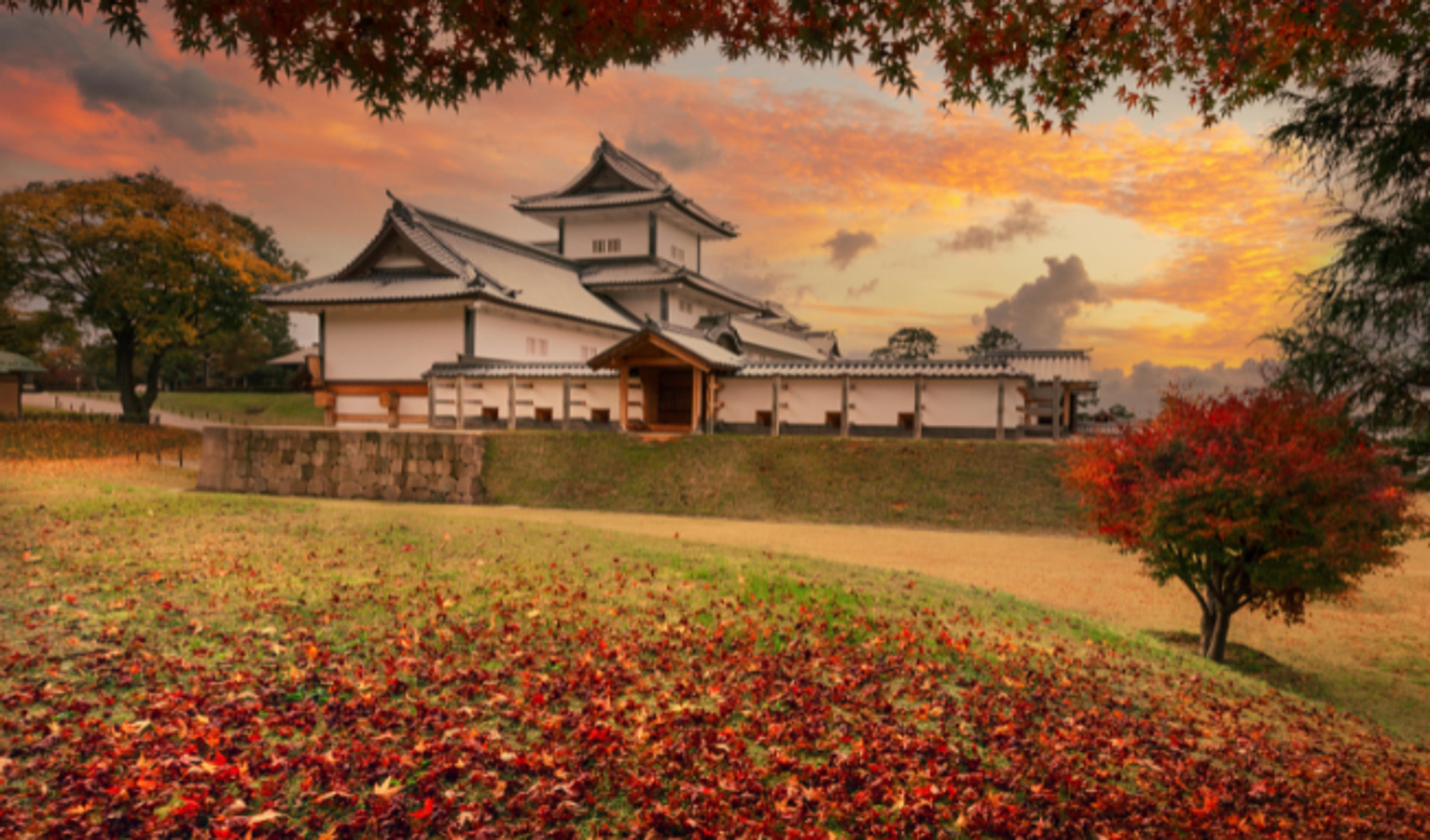
    Kanazawa gets skipped by many first-timers, and you'll rarely see it in a Japan travel guide that only covers the big three cities. That's a shame, because it's calmer than Kyoto with a similar charm. Kenroku-en is counted among the three great gardens of Japan, and it looks lovely after fresh snow. The Higashi Chaya district has wooden teahouses and desserts covered in gold leaf, which Kanazawa is known for. Nagamachi, the old samurai quarter, and the 21st Century Museum of Contemporary Art are close by. The bullet train from Tokyo takes around two and a half hours.

    • Recommended duration: 1–2 days
    • Best experiences: Gold-leaf ice cream, Kenroku-en in spring or under snow, a seafood bowl at Omicho Market.

  • Nikko

    Nikko

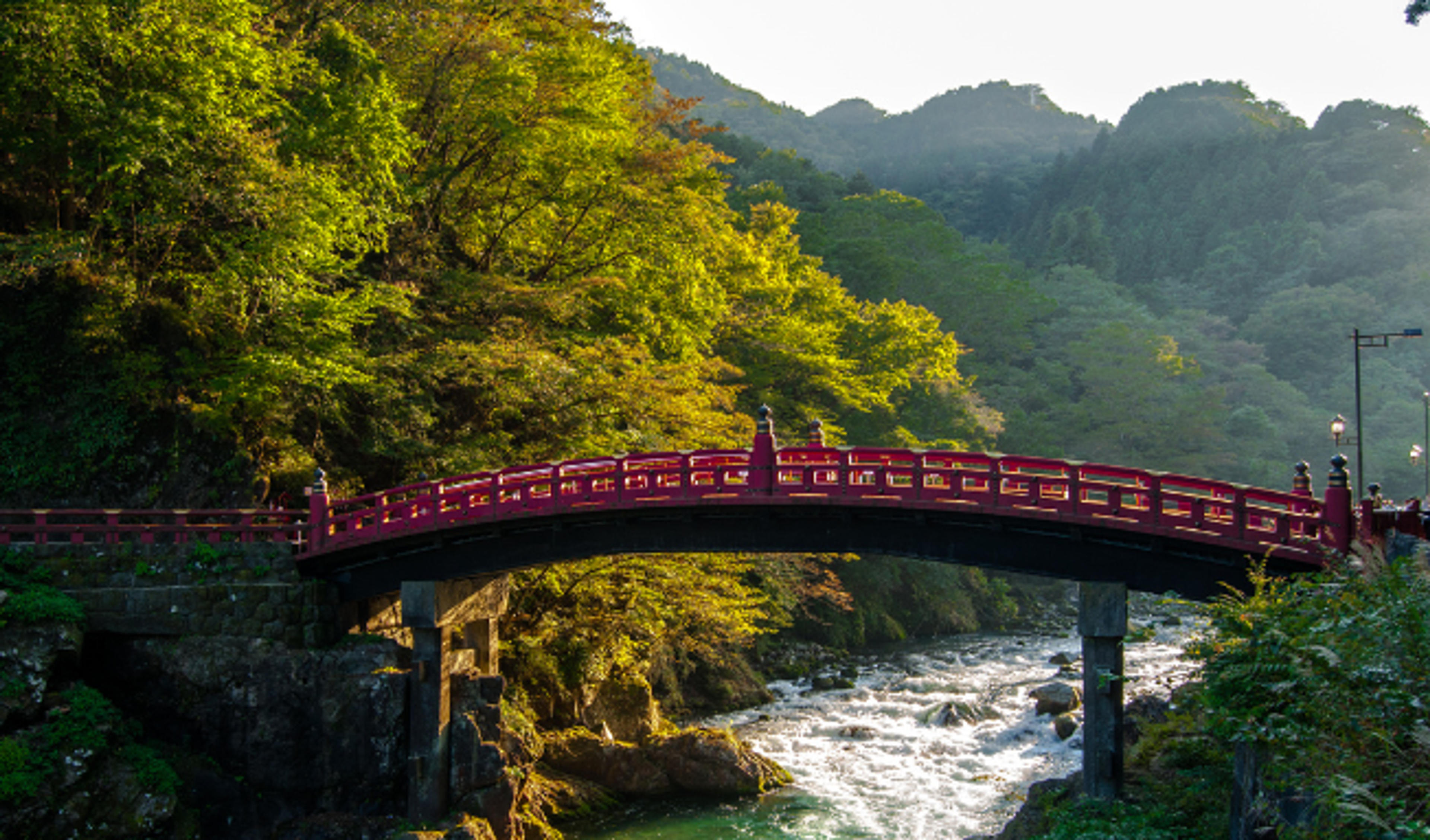
    About two hours north of Tokyo, Nikko has some of the fanciest Japan tourist attractions outside the big cities. Toshogu Shrine is where shogun Tokugawa Ieyasu is enshrined, and nearly every surface is covered in gold leaf and carvings. Look for the sleeping cat and the famous three monkeys. The shrine is part of a UNESCO World Heritage site with other temples and shrines nearby. Nature is the other half of Nikko. Kegon Falls, Lake Chuzenji and the Kanmangafuchi Abyss look their best in autumn, when the leaves turn red and orange. Everything sits inside a tall cedar forest, so the whole area feels calm even when it's busy.

    • Recommended duration: 1–2 days
    • Best experiences: Autumn leaves around Lake Chuzenji, the carvings at Toshogu, a walk to Kegon Falls.

  • Kamakura

    Kamakura

    Need a break from Tokyo? Kamakura is one of the best places to visit in Japan for a relaxed day trip, and it's about an hour away by train. Samurai ruled from here in the 12th century, and the old temples are still around. The Great Buddha at Kotoku-in is about 11 metres tall and sits outdoors, which is rare. Hase-dera has hillside views and hydrangeas in early summer. Then there's the beach. Take the Enoden train, a small, rattly line that runs past houses and surfers, out to Enoshima island. You can hike, see temples and eat seafood by the sea in one day, and you won't feel rushed.

    • Recommended duration: 1 day
    • Best experiences: A ride on the Enoden train, the Great Buddha, a walk out to Enoshima Island.

  • Yokohama

    Yokohama

    Yokohama is one of the easier Japan destinations to add to a Tokyo stay, since it's roughly 30 minutes away by train. The port opened to foreign trade in the 1850s, and you can still feel a bit of that Western influence along the waterfront. Minato Mirai has the Cosmo Clock 21 Ferris wheel and good harbour walks. Yokohama Chinatown is the largest in Japan, so plan to eat dumplings there. Kids like the Cup Noodles Museum, and the old red-brick warehouses are good for photos. After the crowds of central Tokyo, the city feels open and breezy.

    • Recommended duration: 1 day
    • Best experiences: Dumplings in Chinatown, a spin on the Cosmo Clock, sunset along the harbour.

  • Nagoya

    Nagoya

    Nagoya doesn't get much attention, which is odd, because it has some interesting places to see in Japan for history and engineering fans. Nagoya Castle has golden dolphins on its roof. Atsuta Shrine is one of the most important Shinto shrines in the country. The Toyota museum is a hit with car fans, and Ghibli Park nearby draws film lovers and families. Food is a reason to come as well: try miso katsu, or hitsumabushi, which is grilled eel eaten three different ways. The city feels like a working city, not a tourist set, and that's part of its charm.

    • Recommended duration: 1–2 days
    • Best experiences: A hitsumabushi lunch, a day at Ghibli Park, an early visit to Nagoya Castle.

  • Kobe

    Kobe

    Kobe is small, so Japan sightseeing here is easy to do in a single day, and it's only about 30 minutes from Osaka by train. Yes, the beef is the headline. But the harbour around Meriken Park, the old Western-style houses in Kitano and the night view from Mount Rokko are worth the trip too. Mountains and sea sit right next to each other, so you can go from the waterfront to a hillside in no time. For a city this size, the food scene is strong.

    • Recommended duration: 1 day
    • Best experiences: A Kobe beef lunch, the night view from Mount Rokko, a stroll through Kitano

  •  Himeji

    Himeji

    Himeji Castle turns up on most lists of must-visit places in Japan, and once you see it, you'll understand why. The white walls earned it the name White Heron Castle. It's one of the few original castles still standing, and UNESCO has listed it. Most of the wooden structure survived wars and earthquakes, so you're climbing the real thing, not a modern copy. After the main keep, walk over to Koko-en, an Edo-style garden right next door. It takes only about 30 minutes to get here from Osaka by bullet train, so it fits easily into a busy schedule.

    • Recommended duration: 1 day
    • Best experiences: Cherry blossom season at the castle, the view from the top of the keep, an afternoon in Koko-en.

  • Miyajima

    Miyajima

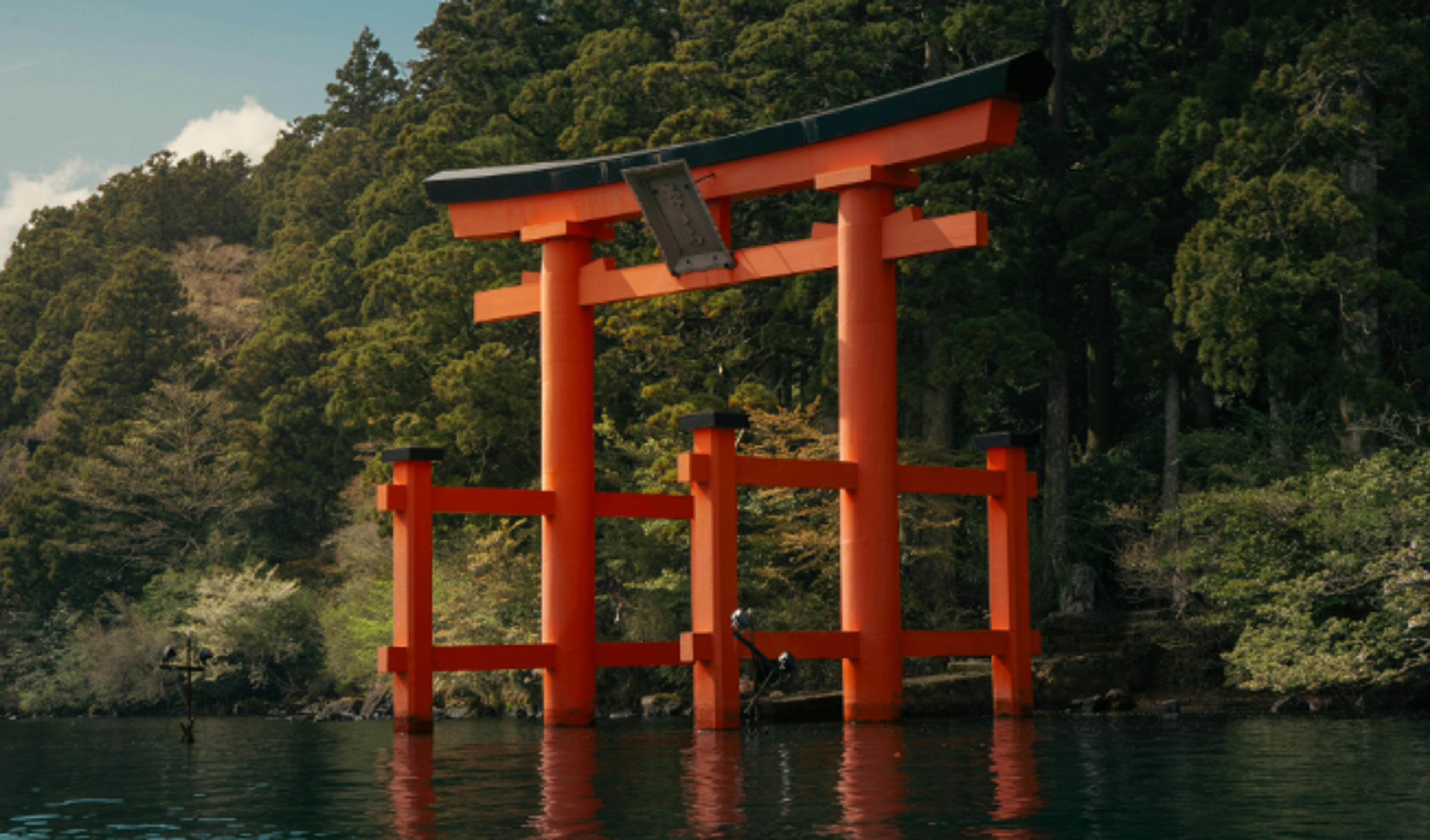
    That giant orange torii gate that seems to float on the sea? That's Miyajima, and the island appears on almost every list of top places to visit in Japan. The gate belongs to Itsukushima Shrine and looks best at high tide. A short ferry ride from Hiroshima gets you there. Wild deer wander the streets, and you can hike up Mount Misen or ride the ropeway. Eat grilled oysters and momiji manju, cakes shaped like maple leaves. Most people come for the day, but if you can, stay overnight. Once the day-trippers leave, the island goes quiet and feels much more special.

    • Recommended duration: 1 day
    • Best experiences: Sunset by the torii gate, the Mount Misen trail, grilled oysters on the main street.

  • Takayama

    Takayama

    Takayama shows a slower side of Japan tourism than the big cities do. It sits in the Japanese Alps and holds on to its Edo-period streets, sake breweries and wooden merchant houses in the Sanmachi Suji district. Get up early for the morning markets by the Miyagawa River, where locals sell vegetables and crafts. The spring and autumn festivals bring out giant decorated floats. Street snacks matter here too, especially Hida beef skewers. Because it's a quiet mountain town, it also makes a handy base if you're heading to Shirakawa-go.

    • Recommended duration: 1–2 days
    • Best experiences: The Miyagawa morning market, sake tasting in Sanmachi Suji, Hida beef skewers.

  • Shirakawa-go

    Shirakawa-go

    For photographs, Shirakawa-go is one of the best tourist places in Japan, especially in winter. It's a UNESCO-listed mountain village full of gassho-zukuri farmhouses, which have steep thatched roofs built to slide off heavy snow. Walk up to the Shiroyama viewpoint and you'll see the whole village under a white blanket. On a few winter evenings, the houses are lit up, but you need to book in advance. People still live in many of the houses, and some take guests, so an overnight stay is a nice way to see the village once the day visitors have gone.

    • Recommended duration: Half day to 1 day
    • Best experiences: The Shiroyama viewpoint, a night in a farmhouse guesthouse, the winter light-up.

  • Matsumoto

    Matsumoto

    Matsumoto Castle is one of the most striking Japan tourist attractions in the Nagano region. The black walls earned it the nickname Crow Castle, and you can climb the steep wooden stairs inside. Art fans should visit the Matsumoto City Museum of Art, which shows works by Yayoi Kusama, who was born in the city. Matsumoto is also a gateway to the Japanese Alps, including Kamikochi and Mount Komagatake, so it suits travellers who want a bit of culture and a bit of mountain air together.

    • Recommended duration: 1 day
    • Best experiences: The castle at sunset, a Kusama exhibition, a day trip to Kamikochi in summer or autumn.

  •  Koyasan

    Koyasan

    Many Japan travel guides skip Koyasan, but for culture lovers it might be the most memorable stop of all. The monk Kobo Daishi founded this mountain-top temple town in 816, and it's still the centre of Shingon Buddhism. More than 100 temples are spread across a forested plateau, and around 50 of them offer overnight stays. At dusk, walk through Okunoin, a cemetery with over 200,000 moss-covered tombstones. It's peaceful and a little eerie. From Osaka, getting here takes about two hours by train and cable car.

    • Recommended duration: 1 night
    • Best experiences: A temple stay with a vegetarian shojin ryori dinner, morning prayers, an evening walk through Okunoin.

  • Fukuoka

    Fukuoka

    Fukuoka comes alive after sunset. Open-air yatai stalls set up along the river, and eating there is one of the more fun things to do in Japan at night. Order Hakata ramen in rich pork-bone broth, motsunabe hot pot and spicy mentaiko. By day, the city is calmer. Ohori Park, the ruins of Fukuoka Castle and Kushida Shrine are all easy walks, and teamLab Forest has digital art. The airport is just minutes from the centre, so Fukuoka is a handy gateway to Kyushu.

    • Recommended duration: 2 days
    • Best experiences: A yatai dinner by the river, a Hakata ramen tasting, a day trip to Dazaifu Tenmangu.

  • Nagasaki

    Nagasaki

    Nagasaki is one of the best places to visit in Japan for anyone who likes history with a mix of cultures. For over 200 years, while the rest of the country stayed closed to outsiders, this port kept a trading window open through Dejima. Chinese, Dutch and Portuguese influences still show up in the food and the buildings. The Peace Park and the Atomic Bomb Museum remember 9 August 1945, and Glover Garden looks out over the harbour. Save the evening for Mount Inasa, because the night view from the top is among the best in the country.

    • Recommended duration: 1–2 days
    • Best experiences: The night view from Mount Inasa, a bowl of Nagasaki champon, a tram ride through the old town.

  • Beppu

    Beppu

    Hot spring fans should put Beppu at the top of the list, because it's one of the most famous places to visit in Japan for onsen. Steam rises from vents all over town. The well-known "hells" are colourful boiling ponds that you look at, not bathe in. You can also get buried in warm sand at a beach bath or eat food steamed by the hot springs themselves. Yufuin, a pretty spa village with a lake, is close by. Lots of Beppu's baths are cheap public bathhouses used by locals, so it feels real, not staged.

    • Recommended duration: 1–2 days
    • Best experiences: A sand bath by the sea, a tour of the colourful hells, a steam-cooked lunch at a hot spring kitchen.

  • Naoshima

    Naoshima

    Art lovers should treat Naoshima as one of the must-see places in Japan. This small island in the Seto Inland Sea has the Chichu Art Museum, Benesse House and Yayoi Kusama's giant yellow pumpkin on the pier. Teshima and Inujima nearby have art spaces too. What makes it different is the setting: art sits in fishing villages and on quiet beaches, not just in city galleries. Rent a bicycle and ride from one work to the next. It's the best way to spend the day.

    • Recommended duration: 1–2 days
    • Best experiences: The yellow pumpkin photo, the Chichu Art Museum, a slow bicycle ride around the island.

FAQ

Japan blends neon cities with ancient temples and quiet countryside. Tokyo offers shopping and food streets, Kyoto holds shrines and geisha alleys, Osaka is the street-food capital, Hiroshima carries history near the floating torii gate at Miyajima, and Hokkaido delivers open nature and seafood markets.

Plan your dream trip

Talk to our experts today!