14 Best Places to Visit in Bhutan

Explore the 14 best places to visit in Bhutan with Utazzo Holidays, from breathtaking Himalayan views and peaceful monasteries to scenic valleys and historic forts. Experience Bhutan’s rich culture, natural beauty, and unforgettable charm.

Bhutan Tourist Places

Bhutan is a place where the journey can feel just as memorable as the destination. You might spend the morning walking through a quiet village, cross a suspension bridge over a fast-flowing river in the afternoon, and watch the mountains turn golden as the sun sets. Prayer flags flutter across hillsides, monasteries sit on mountain slopes, and traditional homes line the valleys.

If you are planning a Bhutan trip, remember to leave room for slow moments. The country has plenty of historic sites and scenic viewpoints, but its charm also lies in local food, village walks and the mountain roads connecting its valleys.

This guide covers the places to visit in Bhutan, from well-known landmarks such as Tiger’s Nest Monastery to quieter destinations such as Haa Valley and Phobjikha.

  • Paro

    Paro

    Paro is often the first place travellers see in Bhutan. The international airport is located here, and the valley is surrounded by green hills, traditional homes and historic monasteries. It is a good place to settle into the rhythm of Bhutan before travelling to other valleys.

    Paro town is small enough to explore on foot. You can browse local shops, stop for tea and walk along streets lined with traditional Bhutanese architecture. The valley also has important cultural sites, including Rinpung Dzong and the National Museum. Paro should definitely be there in your Bhutan itinerary. It is among the perfect places to visit in Bhutan with family.

    Places to Visit in Paro

    Tiger’s Nest Monastery

    Tiger’s Nest Monastery is one of the most famous places to visit in Bhutan. Built on a cliff around 3,000 metres above sea level, the monastery is associated with Guru Padmasambhava, who is believed to have meditated here. Reaching it involves a steep uphill hike that takes around two to three hours, depending on your pace. The final view of the monastery against the mountains makes the climb worth the effort.

    Practical details:

    • Location: Around 10 km from Paro town.
    • Entry fee: ₹1,000 per person.
    • Timings: Generally 8 AM to 1 PM and 2 PM to 5 PM. Confirm the latest visiting hours before setting out.
    • Time required: Around 5-6 hours, including the hike.

    2. National Museum of Bhutan

    The National Museum is housed inside Ta Dzong, a historic watchtower overlooking Paro Valley. It displays traditional costumes, paintings, weapons, religious objects, and other artefacts that explain Bhutan's history and culture. It is a good place to visit if you want to understand the country beyond its monasteries and landscapes.

    Practical details:

    • Location: Ta Dzong, above Rinpung Dzong, Paro.
    • Entry fee: ₹500 per person.
    • Timings: 9 AM to 5 PM. The ticket counter closes at 4 PM. Closed on government and local holidays.
    • Time required: 1-2 hours.

    3. Kyichu Lhakhang

    Kyichu Lhakhang is one of Bhutan's oldest temples and is believed to date back to the 7th century. The temple has a peaceful courtyard, traditional architecture, prayer wheels, and a sacred atmosphere. It is a meaningful stop for travellers interested in Bhutanese Buddhism and religious history.

    Practical details:

    • Location: Lamgong Gewog, around 5 km from Paro town.
    • Entry fee: ₹500 per person.
    • Timings: Usually during daylight hours. Confirm access with your guide.
    • Time required: 30-45 minutes.

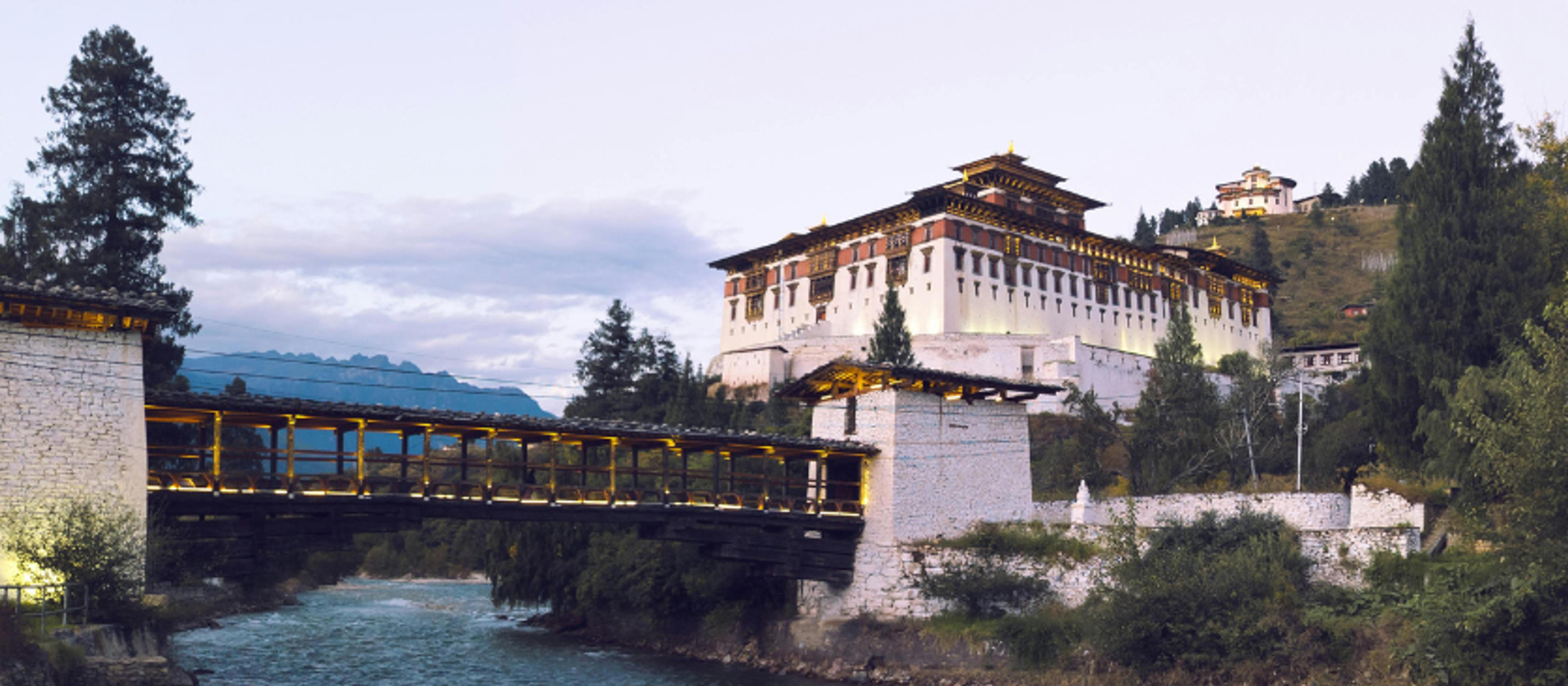
    4. Rinpung Dzong

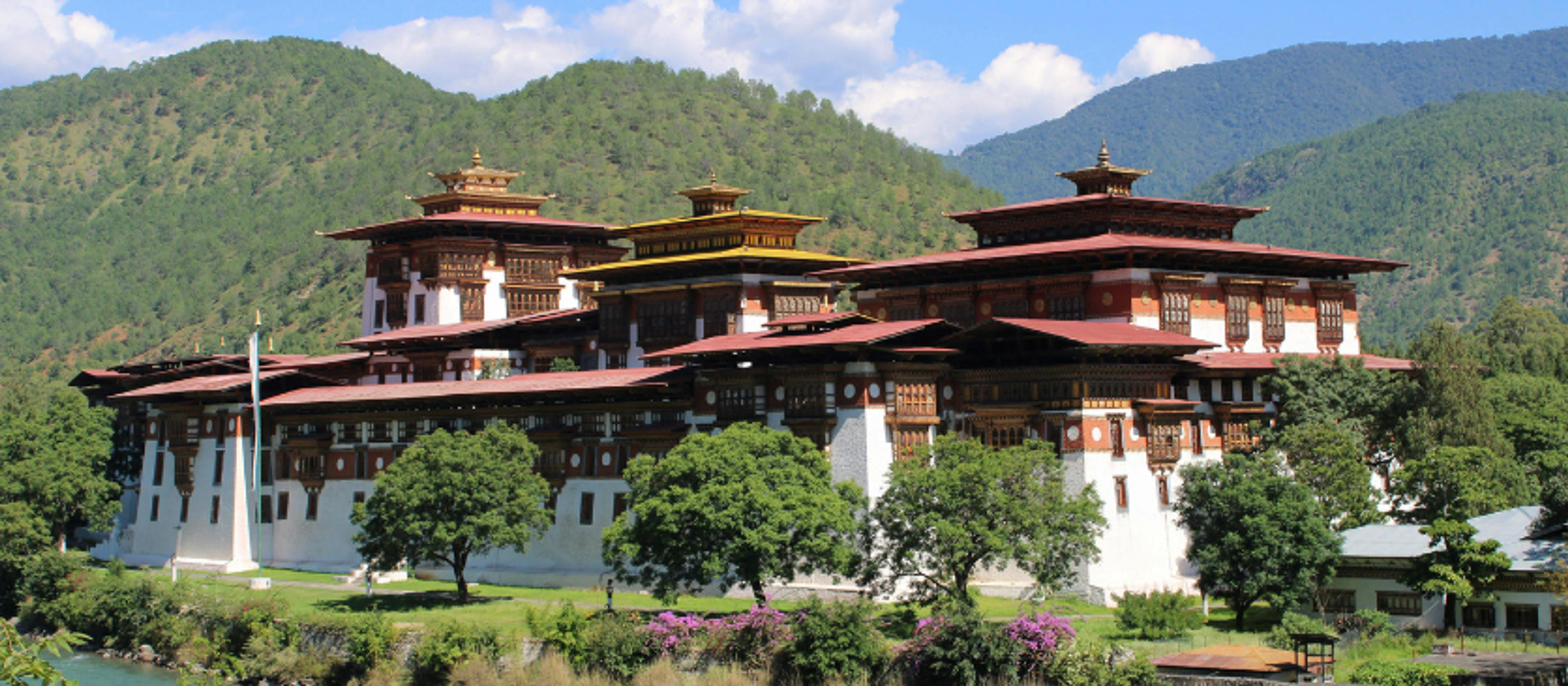
    Rinpung Dzong is a large fortress-monastery overlooking the Paro River. Its wooden galleries, whitewashed walls, courtyards, and detailed paintings make it one of the most striking examples of Bhutanese architecture. The traditional wooden bridge nearby is also worth seeing and offers a good spot for photographs.

    Practical details:

    • Location: Paro town, near the Paro River.
    • Entry fee: Free for visitors under the revised monument fee notification.
    • Timings: Generally 9 AM to 5 PM. Access to religious areas may be restricted during ceremonies.
    • Time required: 45 minutes to 1 hour.
  • Thimphu

    Thimphu

    Thimphu is the capital of Bhutan and one of the country's most interesting cultural destinations. It has government buildings, monasteries, museums, local markets, cafes, and handicraft shops. The city has a relaxed atmosphere, and you can explore many of its attractions in two days. It is also among the top places to visit in Bhutan if you want to understand its everyday lifestyle.

    Places to Visit in Thimphu

    1. Buddha Dordenma

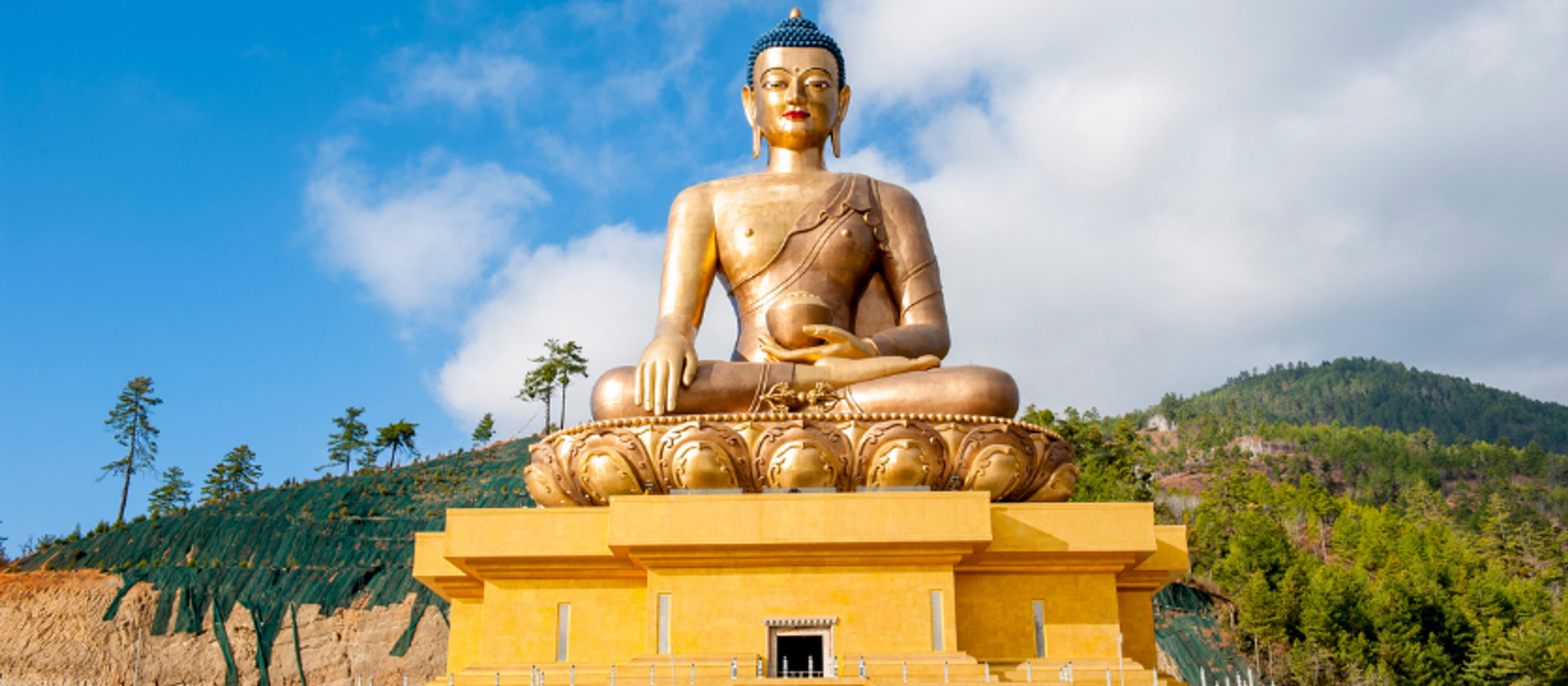
    Buddha Dordenma is a massive golden Buddha statue located on a hill overlooking Thimphu Valley. The statue is visible from several parts of the city and has thousands of smaller Buddha statues inside it. The viewpoint around the complex offers wide views of the valley, making it a popular stop for visitors.

    Practical details:

    • Location: Kuenselphodrang Nature Park, around 7 km from central Thimphu.
    • Entry fee: Free under the revised monument fee notification. Confirm access to any additional facilities locally.
    • Timings: Generally during daylight hours.
    • Time required: 45 minutes to 1 hour.

    2. Tashichho Dzong

    Tashichho Dzong is an important administrative and religious centre in Bhutan. It houses government offices and the central monastic body, and its architecture includes large courtyards, traditional wooden windows, and colourful detailing. The building looks especially beautiful in the evening when it is illuminated.

    Practical details:

    • Location: Northern end of Thimphu, beside the Wang Chhu River.
    • Entry fee: ₹500 per person.
    • Timings: Visitor access is generally limited to designated hours, often in the late afternoon or evening. Check the schedule locally.
    • Time required: Around 1 hour.

    3. National Memorial Chorten

    The National Memorial Chorten is a white stupa built in memory of Bhutan's third king, Jigme Dorji Wangchuck. Locals regularly visit the site to pray, walk around the chorten, and turn its prayer wheels. It is a good place to observe the religious traditions that remain part of everyday life in Bhutan.

    Practical details:

    • Location: Doeboom Lam, central Thimphu.
    • Entry fee: ₹500 per person.
    • Timings: Generally 9 AM to 5 PM for visitors.
    • Time required: 30-45 minutes.

    4. Folk Heritage Museum

    The Folk Heritage Museum gives visitors an idea of how people lived in rural Bhutan in earlier times. It is designed around a traditional three-storey farmhouse and displays household objects, tools, kitchen equipment, and everyday items. The museum is a useful stop if you are interested in local culture and traditional homes.

    Practical details:

    • Location: Kawajangsa, Thimphu.
    • Entry fee: Around ₹300 per person; confirm the current ticket price.
    • Timings: Generally 9 AM to 5 PM. Check for holiday closures.
    • Time required: 45 minutes to 1 hour.
  • Punakha

    Punakha

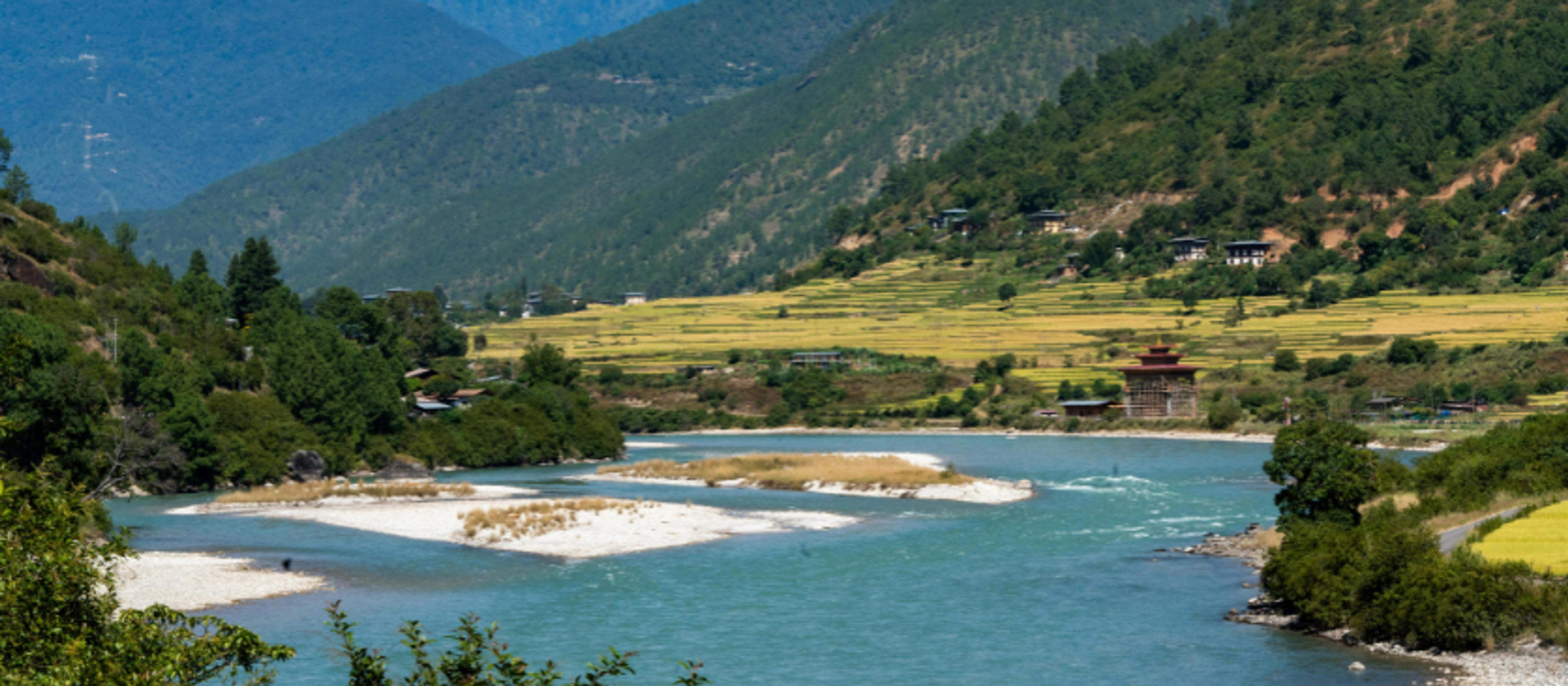
    Punakha is known for its rivers, green valleys, suspension bridges, and beautiful monasteries. It was once the capital of Bhutan and continues to hold religious and historical importance. The weather is generally warmer here than in Thimphu and Paro, making it a comfortable stop during much of the year. Punakha is one of the best places to visit in Bhutan if you enjoy a mix of nature and heritage.

    Places to Visit in Punakha

    1. Punakha Dzong

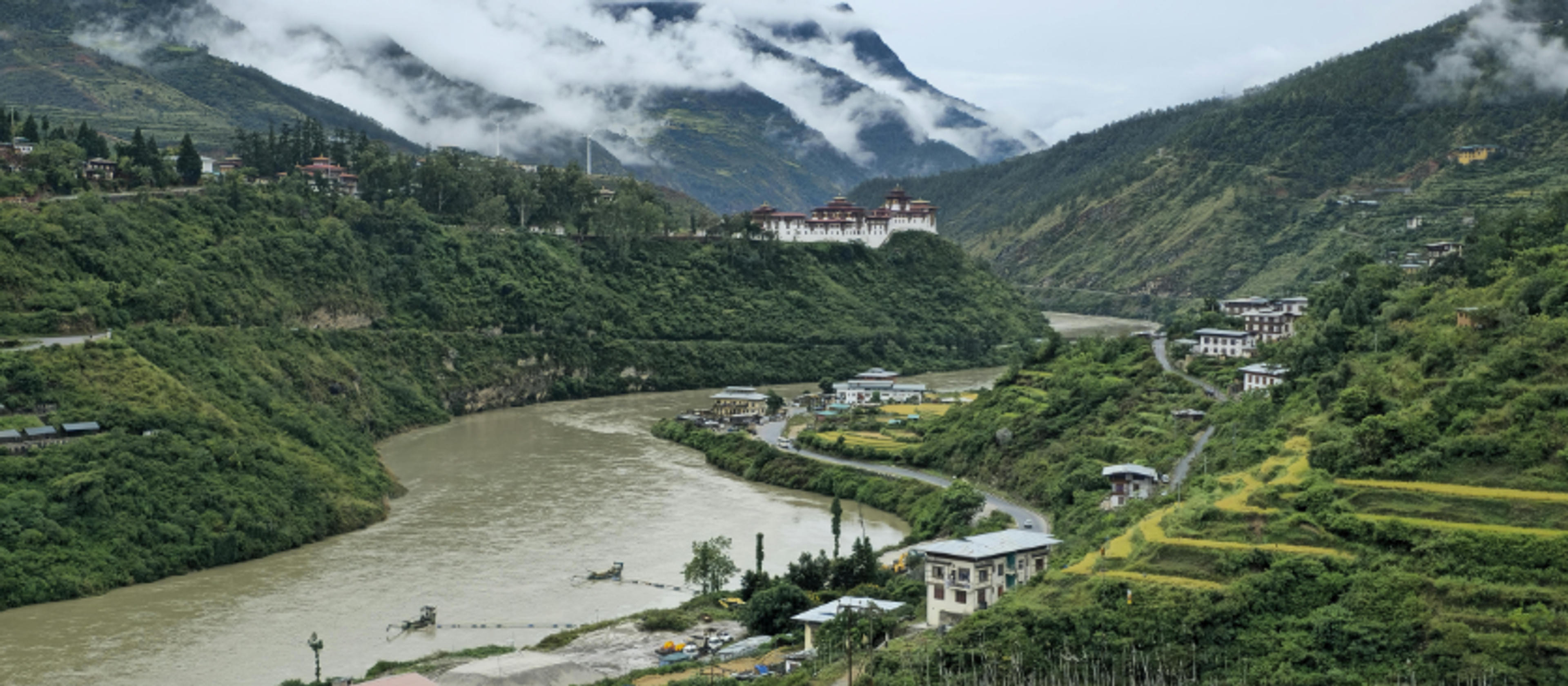
    Punakha Dzong is one of the most beautiful dzongs in Bhutan. It stands at the meeting point of the Pho Chhu and Mo Chhu rivers and is known for its traditional architecture, wooden bridges, courtyards, and colourful interiors. During spring, jacaranda trees around the dzong add colour to the surroundings. If you

    Practical details:

    • Location: At the confluence of the Pho Chhu and Mo Chhu rivers, Punakha.
    • Entry fee: ₹500 per person.
    • Timings: Generally 9 AM to 5 PM. Timings can vary between seasons and during religious events.
    • Time required: 1-1.5 hours.

    2. Punakha Suspension Bridge

    The Punakha Suspension Bridge stretches across the Po Chhu River and is one of the longest suspension bridges in Bhutan. It is decorated with colourful prayer flags and offers views of the river, hills, and surrounding villages. The bridge is also a popular spot for photographs.

    Practical details:

    • Location: Near Punakha Dzong, across the Po Chhu River.
    • Entry fee: No standard entry fee is generally listed. Confirm locally.
    • Timings: Usually accessible during daylight hours.
    • Time required: 30-45 minutes.

    3. Chimi Lhakhang

    Chimi Lhakhang is popularly known as the Temple of Fertility and is associated with the Buddhist saint Drukpa Kunley. Reaching the temple involves a pleasant walk through paddy fields and a small village. The route gives visitors a chance to experience rural Bhutan.

    Practical details:

    • Location: Sopsokha village, near Punakha.
    • Entry fee: ₹500 per person.
    • Timings: Generally during daylight hours. Confirm access with your guide.
    • Time required: 1-1.5 hours, including the walk.

    4. Khamsum Yulley Namgyal Chorten

    Khamsum Yulley Namgyal Chorten sits on a hill overlooking the Punakha Valley. Reaching it requires a short hike through rice fields and forested paths. The temple has detailed Buddhist artwork, and the upper levels offer views of the surrounding mountains and river valley.

    Practical details:

    • Location: Near the banks of the Mo Chhu River, Punakha.
    • Entry fee: Around ₹100 per person; confirm the current rate.
    • Timings: Generally during daylight hours.
    • Time required: 2-3 hours, including the hike.

    5. Sangchen Dorji Lhendrup Nunnery

    This nunnery is located on a hill overlooking the Punakha and Wangdue valleys. It is known for its large bronze statue of Avalokiteshvara and its peaceful surroundings. Visitors can explore the complex and learn about the lives and spiritual practices of Buddhist nuns.

    Practical details:

    • Location: Wolakha, overlooking Punakha Valley.
    • Entry fee: Around ₹200 per person; confirm locally.
    • Timings: Generally during daylight hours.
    • Time required: 30-45 minutes.
  • Dochula Pass

    Dochula Pass

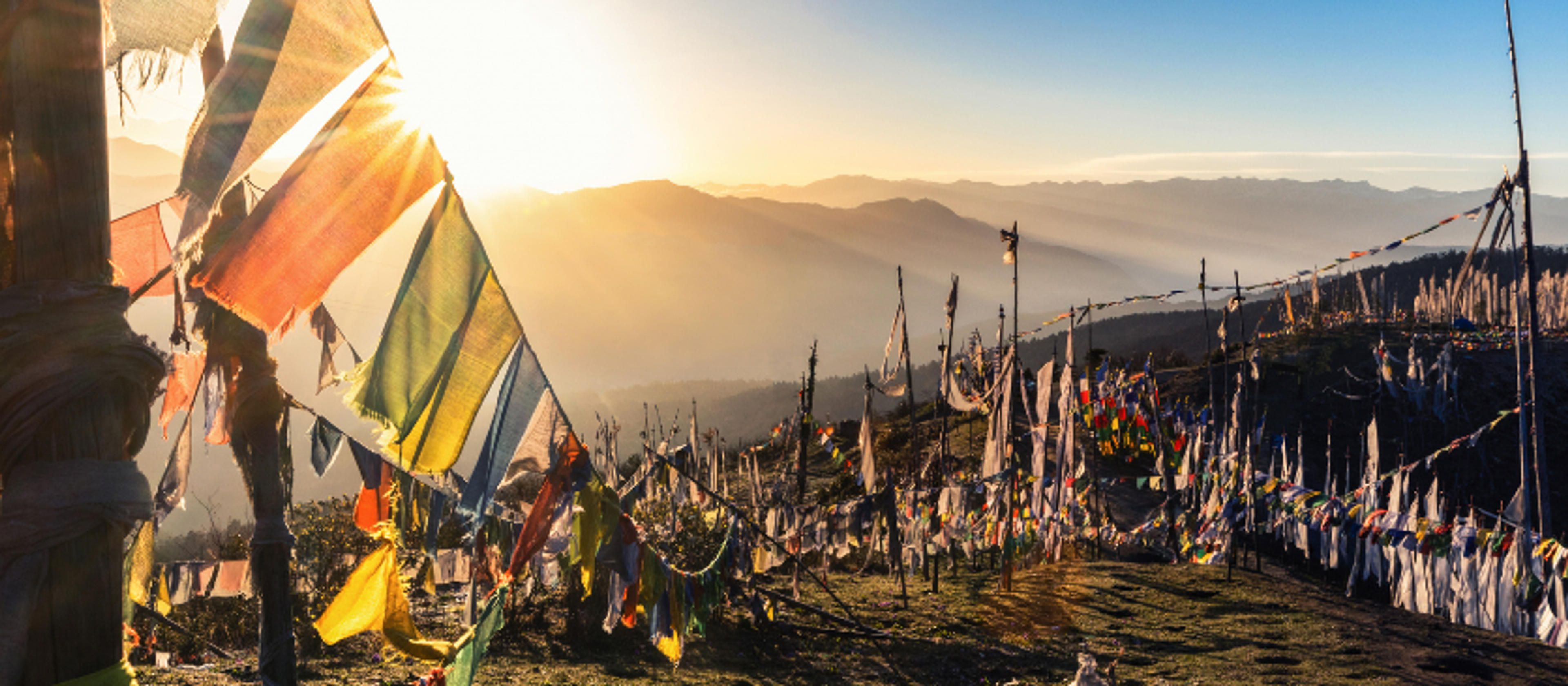
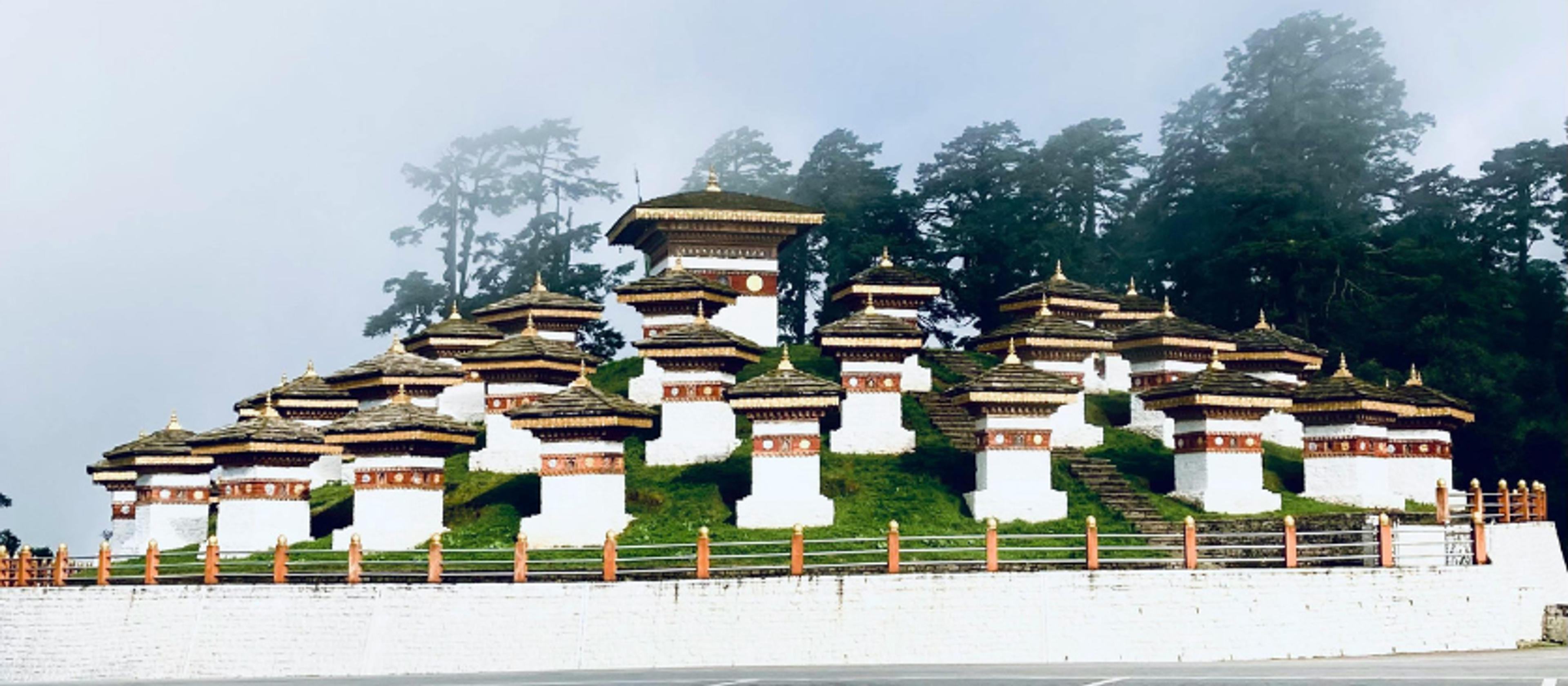
    Dochula Pass is a mountain pass located on the road between Thimphu and Punakha. It is best known for its 108 memorial chortens, built in honour of Bhutanese soldiers. On clear days, the pass offers beautiful views of the Himalayan mountain range. The colourful prayer flags and quiet surroundings make it a popular stop during road journeys.

    Places to Visit at Dochula Pass

    1. Druk Wangyal Chortens

    The 108 chortens at Dochula Pass are arranged across the hillside and form the most recognisable landmark here. Visitors can walk around the complex, observe the architecture, and enjoy the mountain views. The site also has religious and historical significance for Bhutan.

    Practical details:

    • Location: Dochula Pass, on the Thimphu–Punakha highway.
    • Entry fee: Free.
    • Timings: Accessible during daylight hours.
    • Time required: 30-45 minutes.

    2. Druk Wangyal Lhakhang

    Druk Wangyal Lhakhang is a temple near the chortens, known for its detailed murals depicting Bhutanese history and modern events. It offers a closer look at the country's religious art and architecture. Access to the temple may depend on opening hours and local arrangements.

    Practical details:

    • Location: Dochula Pass, beside the 108 chortens.
    • Entry fee: Confirm locally before visiting.
    • Timings: Usually during daylight hours when open to visitors.
    • Time required: 20-30 minutes.
  • Phobjikha Valley

    Phobjikha Valley

    Phobjikha Valley is one of the most peaceful places to visit in Bhutan. It is a wide glacial valley surrounded by mountains and is known for its natural beauty and black-necked cranes. The valley is especially popular during winter, when these migratory birds arrive from Tibet. You can spend your time walking through the countryside, visiting monasteries, and enjoying the quiet surroundings.

    Places to Visit in Phobjikha Valley

    1. Gangtey Monastery

    Gangtey Monastery is an important Buddhist monastery overlooking Phobjikha Valley. It is known for its traditional architecture, prayer halls, and religious importance in the Nyingma school of Buddhism. The views from the monastery are also worth spending some time enjoying.

    Practical details:

    • Location: Gangtey village, Phobjikha Valley.
    • Entry fee: Confirm locally; fees may vary depending on access to specific areas.
    • Timings: Generally during daylight hours.
    • Time required: 45 minutes to 1 hour.

    2. Black-Necked Crane Information Centre

    The Black-Necked Crane Information Centre introduces visitors to the migratory birds that make Phobjikha famous. It has information displays, viewing facilities, and educational material about crane conservation. If you visit between November and February, you may also get a chance to spot the birds in the valley.

    • Location: Near Gangtey village, Phobjikha Valley.
    • Entry fee: Around ₹200 per person; confirm the current ticket price.
    • Timings: Generally during daytime opening hours.
    • Time required: 30-45 minutes.

    3. Phobjikha Nature Trail

    The Phobjikha Nature Trail is a walking route through the valley's open landscapes, villages, and forests. It is a good way to experience the region at a slower pace. You can walk past traditional houses, farmland, and wetlands while enjoying views of the surrounding hills.

    Practical details:

    • Location: Around Gangtey village, Phobjikha.
    • Entry fee: No standard trail entry fee is generally listed.
    • Timings: Best explored during daylight hours.
    • Time required: Around 1.5-2 hours.
  • Haa Valley

    Haa Valley

    Haa Valley is one of the quieter destinations in western Bhutan. It is surrounded by mountains and has traditional villages, temples, forests, and open landscapes. The valley is a good choice if you want to spend time away from the busier tourist routes. It is also one of the offbeat places to visit in Bhutan for travellers who enjoy rural landscapes and local culture.

    Places to Visit in Haa Valley

    1. Lhakhang Karpo

    Lhakhang Karpo, also known as the White Temple, is one of the important religious sites in Haa Valley. It is associated with Bhutanese legends and is known for its traditional architecture and peaceful setting. Visitors can explore the temple complex and learn about its religious significance.

    Practical details:

    • Location: Haa town, Haa Valley.
    • Entry fee: No confirmed standard tourist fee. Check with your guide.
    • Timings: Generally during daylight hours.
    • Time required: 30-45 minutes.

    2. Lhakhang Nagpo

    Lhakhang Nagpo is known as the Black Temple and is located close to Lhakhang Karpo. The temple is associated with local religious traditions and has a small pond nearby. It is often visited along with the White Temple as part of a short cultural tour of the valley.

    Practical details:

    • Location: Near Lhakhang Karpo, Haa Valley.
    • Entry fee: No confirmed standard tourist fee. Check locally.
    • Timings: Generally during daylight hours.
    • Time required: 20-30 minutes.

    3. Chele La Pass

    Chele La is one of the highest motorable mountain passes in Bhutan. It connects Paro and Haa Valley and is known for its mountain views, forests, and colourful prayer flags. On a clear day, visitors may get views of snow-covered peaks. It is also one of the best places to visit in Bhutan for couples looking for a serene escape.

    Practical details:

    • Location: Between Paro and Haa Valley.
    • Entry fee: Free.
    • Timings: Best visited during daylight hours. Weather and road conditions can affect access.
    • Time required: 30-60 minutes.
  • Bumthang

    Bumthang

    Bumthang is a region in central Bhutan known for its monasteries, temples, farmland, and traditional villages. It is often considered one of the country's most culturally significant regions. The area has several important religious sites, and visitors can explore its valleys at a relaxed pace. Keep at least two days if you want to cover its main attractions.

    Places to Visit in Bumthang

    1. Jakar Dzong

    Jakar Dzong is a fortress overlooking the Chamkhar Valley. It is associated with the history of the region and is known for its traditional architecture and elevated location. The surrounding views make it a good stop while exploring Bumthang.

    Practical details:

    • Location: Jakar town, Bumthang.
    • Entry fee: Free under the revised monument fee notification.
    • Timings: Generally during daylight hours, subject to access restrictions.
    • Time required: 30-45 minutes.

    2. Jambay Lhakhang

    Jambay Lhakhang is one of the oldest temples in Bhutan and is believed to have been built in the 7th century. It is an important religious site and hosts the annual Jambay Lhakhang Drup festival, known for traditional mask dances and fire rituals. The temple is worth visiting if you are interested in Bhutan's Buddhist history.

    Practical details:

    • Location: Chamkhar Valley, Bumthang.
    • Entry fee: Confirm locally. Published fee lists have differed following revisions to monument charges.
    • Timings: Generally during daylight hours.
    • Time required: 30-45 minutes.

    3. Ogyen Choling Palace Museum

    Ogyen Choling Palace Museum is a traditional manor house that has been converted into a museum. It displays household objects, religious items, photographs, and artefacts connected to the history of the family and the region. It offers a closer look at the lifestyle of Bhutanese aristocratic families.

    Practical details:

    • Location: Tang Valley, Bumthang.
    • Entry fee: Around ₹400 per person; confirm the current rate before visiting.
    • Timings: Visiting hours may depend on museum arrangements. Contact the site before travelling.
    • Time required: 1 hour.
  • Wangdue Phodrang

    Wangdue Phodrang

    Wangdue Phodrang is a district in central Bhutan known for its river valleys, villages, and historic dzong. It is often included on journeys between Punakha and the central parts of the country. The region also offers access to scenic countryside and traditional settlements. It is one of the tourist places in Bhutan worth considering if you have extra time beyond the main western circuit.

    Places to Visit in Wangdue Phodrang

    1. Wangdue Phodrang Dzong

    Wangdue Phodrang Dzong is a historic fortress located on a ridge overlooking the surrounding valleys. The original structure was damaged by fire in 2012 and later underwent reconstruction. Its location and traditional design make it an interesting stop for visitors exploring the region.

    Practical details:

    • Location: Wangdue Phodrang town.
    • Entry fee: Confirm the current fee locally.
    • Timings: Generally during daylight hours, subject to visitor access.
    • Time required: 30-45 minutes.

    2. Rinchengang Village

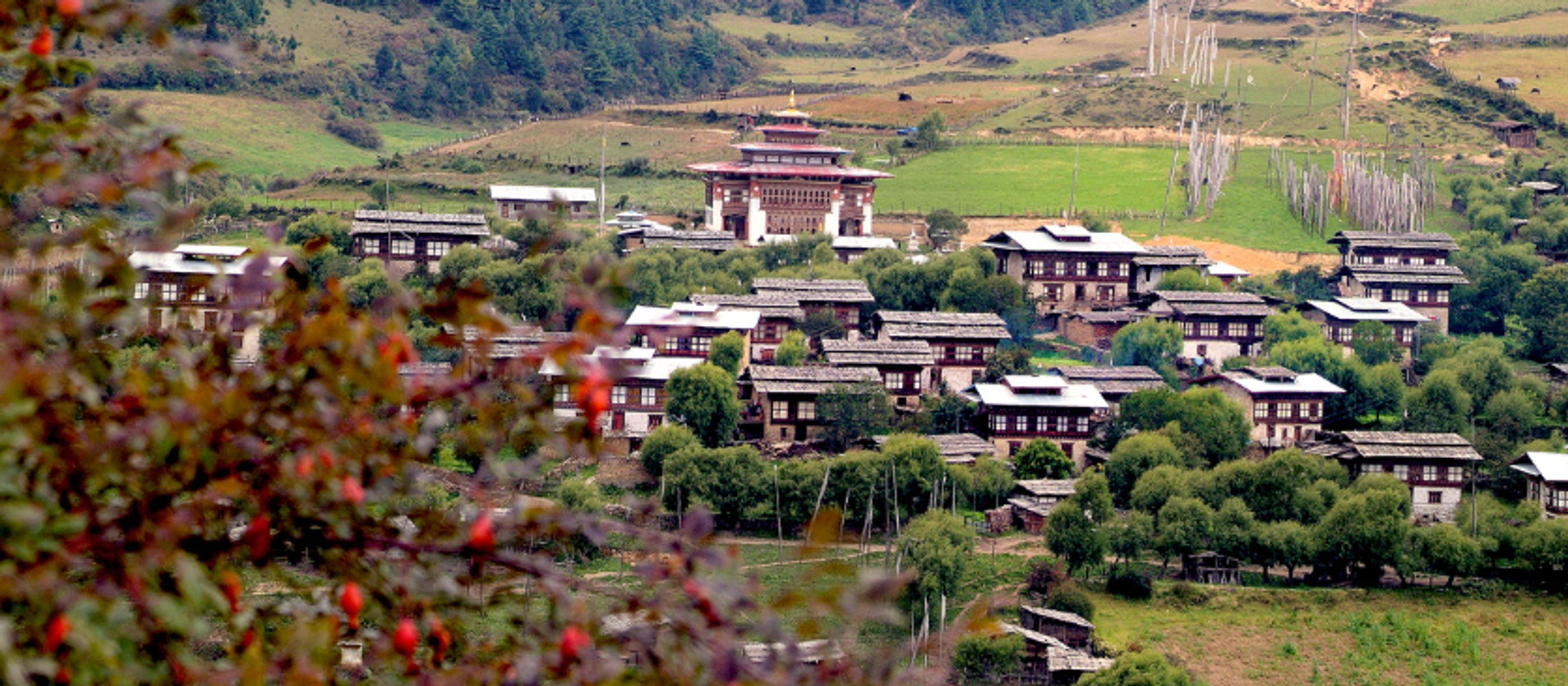
    Rinchengang is a traditional village known for its closely packed houses and old architectural style. Walking through the settlement gives visitors a glimpse of rural life in Bhutan. It is a good stop if you enjoy exploring local communities and traditional homes.

    Practical details:

    • Location: Near Wangdue Phodrang town.
    • Entry fee: Free to walk around the village.
    • Timings: Best visited during daylight hours.
    • Time required: 30-45 minutes.
  • Trongsa

    Trongsa

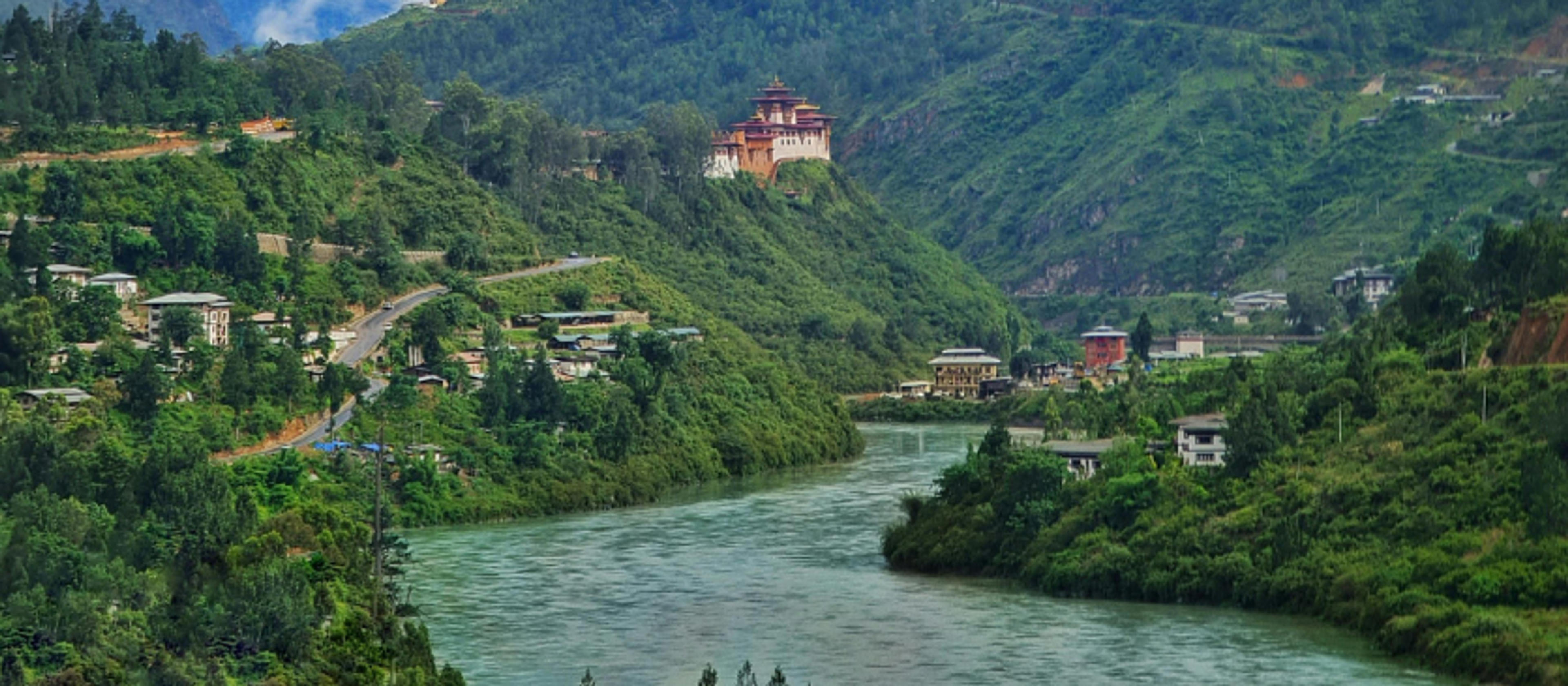
    Trongsa is a historic town in central Bhutan, set along a mountain ridge overlooking the Mangde Chhu Valley. It played an important role in the country's history and is closely associated with the Wangchuck dynasty. The town is known for its impressive dzong, traditional architecture, and mountain views. If your Bhutan itinerary includes central Bhutan, keep at least a day to explore Trongsa.

    Places to Visit in Trongsa

    1. Trongsa Dzong

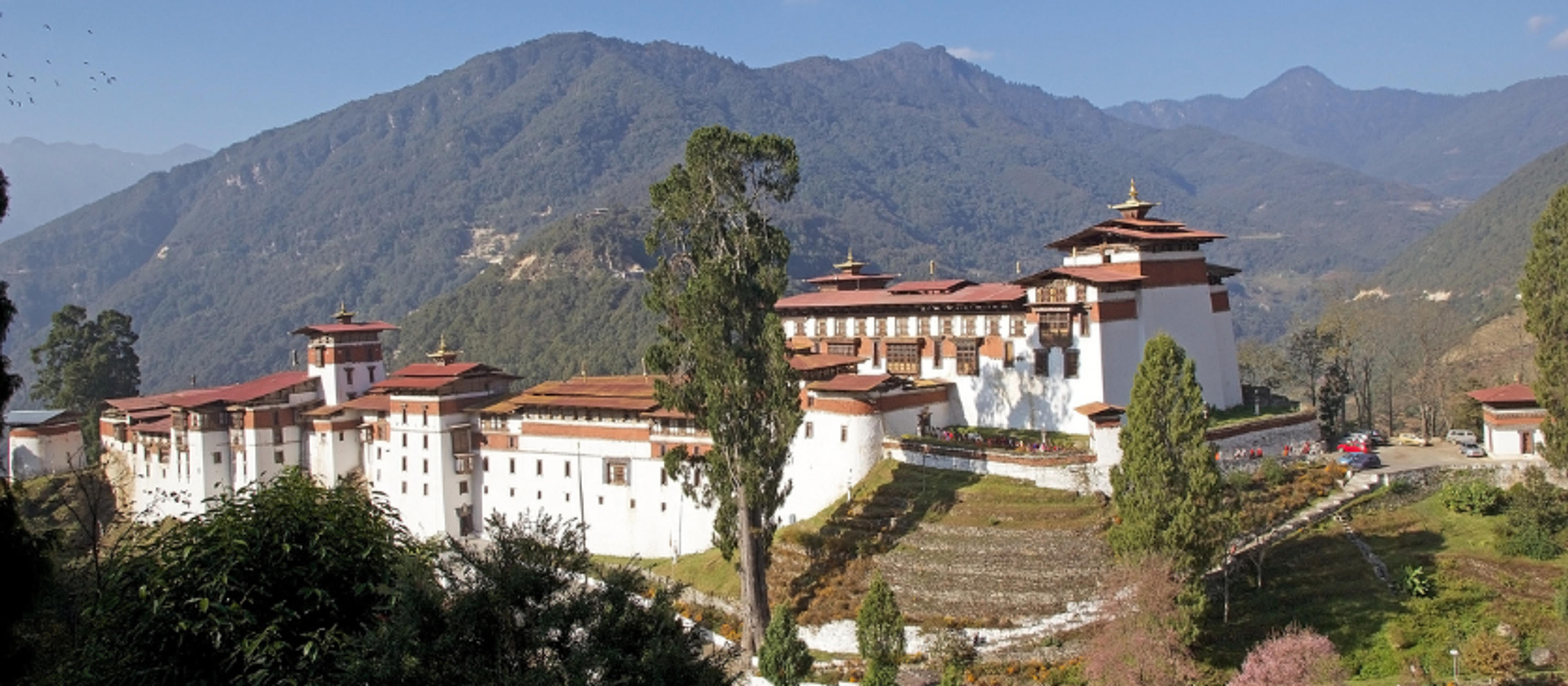
    Trongsa Dzong is one of the largest and most impressive fortress-monasteries in Bhutan. Built along a ridge, it overlooks the valley and has a series of courtyards, temples, corridors, and traditional wooden structures. The dzong also has historical importance because it was once the seat of power for the Wangchuck family.

    Practical details:

    • Location: Trongsa town, central Bhutan.
    • Entry fee: Listed as free in the official published monument fee notification. Confirm the current charge before visiting.
    • Timings: Generally 9 AM to 5 PM, subject to religious activities and visitor access.
    • Time required: 1-1.5 hours.

    2. Ta Dzong Museum

    Ta Dzong was originally built as a watchtower to protect Trongsa Dzong. It has now been converted into a museum showcasing Bhutanese history, royal memorabilia, religious objects, and artefacts connected to the Wangchuck dynasty. The museum is a useful stop if you want to understand the historical importance of Trongsa.

    Practical details:

    • Location: On a hill above Trongsa Dzong, Trongsa.
    • Entry fee: Confirm the current ticket price locally.
    • Timings: Generally during daytime museum hours. Check for holiday closures.
    • Time required: 45 minutes to 1 hour.
    3. Chendebji Chorten

    Chendebji Chorten is a large white stupa located along the road between Wangdue Phodrang and Trongsa. It was built in the Nepalese style, with four painted eyes facing the cardinal directions. The peaceful surroundings make it a convenient stop during a road journey through central Bhutan.

    Practical details:

    • Location: Chendebji village, on the road between Wangdue Phodrang and Trongsa.
    • Entry fee: Free.
    • Timings: Accessible throughout the day.
    • Time required: 20-30 minutes.
  • Chele La Pass

    Chele La Pass

    Chele La Pass is one of the highest motorable mountain passes in Bhutan and connects Paro Valley with Haa Valley. The drive takes you through forests of pine and rhododendron, with prayer flags covering parts of the mountain landscape. On a clear day, you can enjoy views of the Himalayan peaks. It is one of the best places to visit in Bhutan for travellers who enjoy mountain drives and photography.

    Places to Visit at Chele La Pass

    1. Chele La Viewpoint

    The viewpoint at Chele La offers wide views of the surrounding mountains and valleys. It is a popular stop for photographs, especially when the weather is clear. You can also see colourful prayer flags tied along the roadside and mountain ridges.

    Practical details:

    • Location: Chele La Pass, between Paro and Haa Valley.
    • Entry fee: Free.
    • Timings: Best visited during daylight hours. Road access depends on weather conditions.
    • Time required: 30-45 minutes.
  • Chimi Lhakhang

    Chimi Lhakhang

    Chimi Lhakhang is a well-known Buddhist temple in the Punakha region, popularly called the Temple of Fertility. It is associated with Drukpa Kunley, a Buddhist saint known for his unconventional teachings and stories. The temple is reached through a pleasant walk across paddy fields and a traditional village, making the visit enjoyable even before you reach the main shrine.

    Places to Visit Around Chimi Lhakhang

    1. Sopsokha Village

    Sopsokha is a traditional village near Chimi Lhakhang. Its houses are known for their colourful paintings and distinctive decorative designs. You can walk through the narrow lanes, visit small shops, and get a glimpse of village life in the Punakha region.

    Practical details:

    • Location: Near Chimi Lhakhang, Punakha.
    • Entry fee: Free to walk around the village.
    • Timings: Best visited during daylight hours.
    • Time required: 30-45 minutes.

    2. Chimi Lhakhang Temple Walk

    The walk to Chimi Lhakhang passes through paddy fields, small settlements, and open countryside. It is an easy route for most travellers and gives you a chance to experience the rural side of Bhutan. The temple visit can be combined with a walk around Sopsokha village.

    Practical details:

    • Location: Starting point near Sopsokha village, Punakha.
    • Entry fee: The temple entry fee is listed at approximately ₹500 per person. Confirm the current rate locally.
    • Timings: Generally during daylight hours.
    • Time required: Around 1-1.5 hours, including the walk and temple visit.
  • Phuentsholing

    Phuentsholing

    Phuentsholing is a border town in southern Bhutan, located next to Jaigaon in West Bengal. It is a common entry point for travellers arriving in Bhutan by road from India. The town has a warmer climate and a mix of Bhutanese and Indian influences. You can explore its monasteries, local markets, and nearby natural attractions.

    Places to Visit in Phuentsholing

    1. Zangto Pelri Lhakhang

    Zangto Pelri Lhakhang is a Buddhist temple located in the centre of Phuentsholing. Its name refers to the celestial paradise of Guru Rinpoche. The temple has colourful paintings, statues, and a peaceful courtyard where visitors can spend some time.

    Practical details:

    • Location: Central Phuentsholing, near the main town area.
    • Entry fee: No confirmed standard tourist fee. Check locally.
    • Timings: Generally during daylight hours.
    • Time required: 30-45 minutes.

    2. Amo Chhu Crocodile Breeding Centre

    The Amo Chhu Crocodile Breeding Centre is a conservation facility where visitors can see crocodiles and learn about their breeding and protection. It is a short visit and can be included while exploring Phuentsholing.

    Practical details:

    • Location: Near the Amo Chhu River, Phuentsholing.
    • Entry fee: Confirm the current ticket price locally.
    • Timings: Check locally before visiting, as operating hours may change.
    • Time required: 30-45 minutes.

    3. Karbandi Monastery

    Karbandi Monastery is located on a hill overlooking Phuentsholing and the surrounding plains. It is known for its religious importance, prayer wheels, and peaceful setting. The viewpoint also offers a good view of the border town and the plains of West Bengal.

    Practical details:

    • Location: Around 5 km from Phuentsholing town.
    • Entry fee: Generally free; confirm locally.
    • Timings: Best visited during daylight hours.
    • Time required: 30-45 minutes.
  • Sakteng Wildlife Sanctuary

    Sakteng Wildlife Sanctuary

    Sakteng Wildlife Sanctuary is located in eastern Bhutan and is known for its forests, mountain landscapes, and distinctive local culture. The sanctuary is associated with the Brokpa community, whose traditional lifestyle and customs make this region especially interesting. It is a remote destination and requires more travel planning than the popular western Bhutan circuit. If you are looking for offbeat places to visit in Bhutan, Sakteng is worth considering.

    Places to Visit in Sakteng Wildlife Sanctuary

    1. Sakteng Village

    Sakteng is a traditional village located within the wildlife sanctuary. It is known for its distinctive Brokpa culture, traditional homes, and pastoral lifestyle. Visitors can learn about local customs, explore the village, and enjoy the surrounding mountain scenery.

    Practical details:

    • Location: Sakteng Gewog, Trashigang District, eastern Bhutan.
    • Entry fee: A sanctuary permit is required. Confirm applicable permit charges and arrangements before travelling.
    • Timings: Visits are generally planned during daylight hours.
    • Time required: At least half a day, depending on your activities.

    2. Sakteng Nature Trails

    The nature trails around Sakteng pass through forests, open meadows, and mountain landscapes. They are suitable for travellers interested in walking and wildlife experiences. Local guides can help visitors understand the area's biodiversity and cultural traditions.

    Practical details:

    • Location: Within Sakteng Wildlife Sanctuary.
    • Entry fee: Included in or subject to the applicable sanctuary permit. Confirm locally.
    • Timings: Daylight hours; trail access depends on weather and local conditions.
    • Time required: Depends on the selected route.
  • Lhuentse

    Lhuentse

    Lhuentse is a remote district in eastern Bhutan known for its traditional villages, weaving heritage, and scenic landscapes. It is also associated with the royal family and is an important centre of Bhutanese culture. The region is less frequently included in shorter itineraries, but it is worth exploring if you have additional days and want to experience a quieter part of the country.

    Places to Visit in Lhuentse

    1. Lhuentse Dzong

    Lhuentse Dzong is a historic fortress located on a hill overlooking the Kuri Chhu River. It is known for its traditional architecture and religious importance. The surrounding landscape makes the dzong an interesting stop while exploring eastern Bhutan.

    Practical details:

    • Location: Lhuentse town, eastern Bhutan.
    • Entry fee: Confirm locally before visiting.
    • Timings: Generally during daylight hours, subject to visitor access.
    • Time required: 45 minutes to 1 hour.
    2. Khoma Village

    Khoma Village is famous for Kishuthara, a traditional Bhutanese textile woven by local women. The intricate patterns and detailed weaving techniques make it an important centre of Bhutan's textile heritage. Visitors can explore the village and, when arrangements permit, observe local weaving work.

    Practical details:

    • Location: Khoma Gewog, Lhuentse District.
    • Entry fee: No standard village entry fee.
    • Timings: Best visited during daytime. Weaving demonstrations depend on local availability.
    • Time required: 1-2 hours.

FAQ

Paro, Thimphu, Punakha, Phobjikha Valley, and Bumthang are among the best places to visit in Bhutan. They offer a mix of scenic landscapes, monasteries, cultural experiences, and adventure activities.

Plan your dream trip

Talk to our experts today!