
Places to visit in Europe

Discover Europe’s best places to visit, from iconic landmarks and charming cities to scenic countryside, historic castles, romantic canals, and breathtaking mountain landscapes.

Europe Tourist Places

Europe is one of those continents that never really lets you down. One week you're sipping coffee outside a Parisian café, and the next you're standing on a glacier in Norway wondering how the same continent can hold so much variety. If you're trying to shortlist places to visit in Europe, you'll quickly realise the problem isn't finding good options; it's narrowing them down. From cobbled old towns to fjords, vineyards, and island beaches, the choices can feel endless.

This guide is built for exactly that confusion. We've grouped the best places to visit in Europe by region, Western, Southern, Central, Northern, and Eastern- so you can plan a route instead of jumping between random city names. Whether you're chasing history in Rome, romance in Santorini, or quiet mountain air in Georgia, there's a version of Europe waiting for every kind of traveller.

We'll also answer the practical questions that usually come up while planning: how long to stay, what season works best, what a trip roughly costs from India, and which spots suit couples, families, or solo explorers chasing something offbeat. Think of this as a working Europe travel guide rather than a listicle, one you can actually use to build your itinerary, city by city, region by region.

  • Paris, France

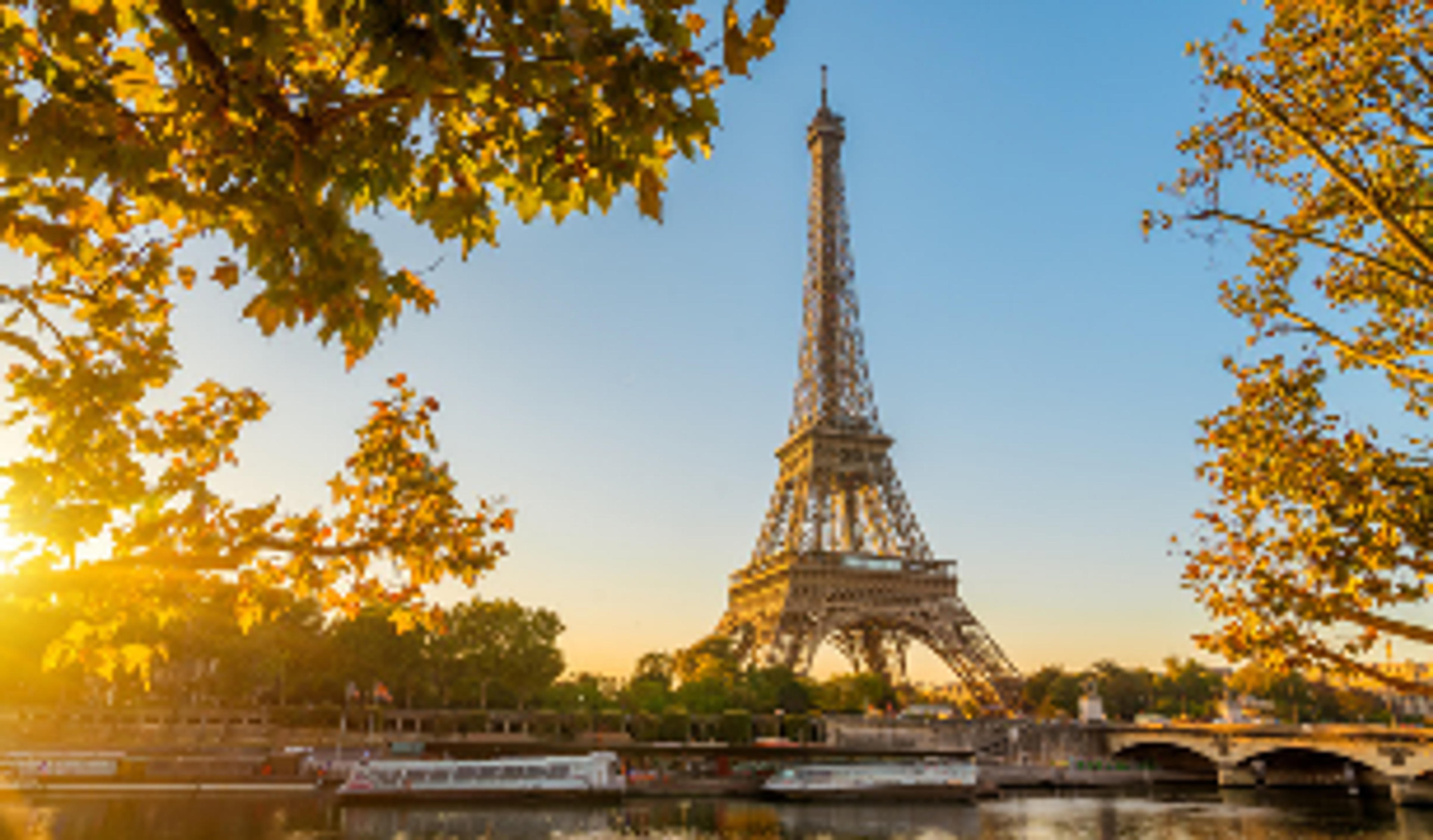
    Paris, France

    About: Paris rarely needs an introduction, but it still manages to surprise first-time visitors. Beyond the Eiffel Tower selfie, the city rewards slow mornings at bakeries, long walks along the Seine, and afternoons lost in art at the Louvre or Musée d'Orsay. Neighbourhoods like Montmartre and Le Marais feel like separate small towns stitched into one sprawling capital. Food here isn't just a meal; it's an event, from bistro classics to pastry counters that look like jewellery displays. Paris also works brilliantly as a base for day trips to Versailles or Disneyland Paris. It's polished, occasionally chaotic, and endlessly photogenic, which is exactly why it remains one of the famous places in Europe that travellers return to again and again, no matter how many times they've already been.

    Best time to visit: April to June and September to October, when the weather is mild, and the queues at major landmarks are shorter than in peak summer.

    Main attractions: Eiffel Tower, Louvre Museum, Notre-Dame Cathedral, Palace of Versailles, Montmartre and Sacré-Cœur.

  •  Amsterdam, Netherlands

    Amsterdam, Netherlands

    About: Amsterdam is compact, walkable, and built almost entirely around water. The canal ring, now a UNESCO-listed stretch, is best explored slowly, either on foot, by bicycle like a local, or from a boat drifting past centuries-old townhouses. The Anne Frank House and Rijksmuseum give the city emotional and cultural depth, while neighbourhoods like Jordaan offer quieter cafés away from the crowds. Spring turns the surrounding countryside into a carpet of tulips, and a short trip to Keukenhof Gardens is worth the detour. Amsterdam also has a relaxed, cyclist-first pace that makes it feel less overwhelming than other major European capitals. It's one of those places to see in Europe where getting slightly lost is part of the experience, not a problem to be solved.

    Best time to visit: April to May for tulip season, or June to August for long daylight hours and outdoor terraces.

    Main attractions: Anne Frank House, Rijksmuseum, Van Gogh Museum, Vondelpark, Jordaan neighbourhood.

  •  London, England

    London, England

    About: London manages to be historic and modern in the same breath. You can stand inside the Tower of London in the morning and be shopping in a glass-fronted mall by afternoon. The city's museums, many of them free, are genuinely world-class, and its parks offer green breathing room in the middle of urban density. Theatre lovers head to the West End, while foodies explore Borough Market or the curry houses of Brick Lane. The River Thames ties the whole city together, with landmarks like the London Eye and Tower Bridge lining its banks. It's a city that rewards repeat visits because there's simply too much packed into it for one trip. For anyone building a list of must-visit places in Europe, London earns its spot through sheer range rather than one single highlight.

    Best time to visit: May to September for pleasant weather, though December brings festive markets and lights.

    Main attractions: Tower of London, British Museum, Buckingham Palace, London Eye, Westminster Abbey.

  •  Brussels, Belgium

    Brussels, Belgium

    About: Brussels often gets treated as a stopover, which undersells it. The city's Grand Place is one of the most striking medieval squares in Europe, ringed by guildhalls with gilded façades that light up beautifully at night. Belgium's reputation for chocolate, waffles, and beer is well earned here, with countless small shops and breweries worth exploring on foot. The Atomium, built for a 1958 World's Fair, gives the city a quirky modern landmark that contrasts sharply with its old town charm. Brussels also works as a convenient base for day trips to Bruges or Ghent, both of which feel like storybook towns. It's less crowded than Paris or London, which makes it a comfortable, manageable stop for travellers who want charm without the chaos of bigger capitals.

    Best time to visit: May to September, when outdoor cafés and festivals are in full swing.

    Main attractions: Grand Place, Atomium, Royal Palace of Brussels, Manneken Pis, Cinquantenaire Park.

  • Dublin, Ireland

    Dublin, Ireland

    About: Dublin has a warmth that's hard to manufacture, most of it coming from its pubs, its people, and its storytelling tradition. Literary fans can trace the footsteps of Joyce and Wilde, while history buffs explore Trinity College's Book of Kells or the Dublin Castle grounds. The Guinness Storehouse remains one of the city's most visited spots, offering both brewing history and rooftop city views. Temple Bar's cobbled streets come alive at night with live music spilling out of pub doors. Dublin is also a gateway to Ireland's dramatic coastline, including the Cliffs of Moher, reachable on a day trip. Compact and friendly, it's an easy city to navigate on foot, and it consistently ranks among top places to visit in Europe for travellers who want culture wrapped in genuine hospitality.

    Best time to visit: May to September for the mildest, driest weather Ireland has to offer.

    Main attractions: Guinness Storehouse, Trinity College and Book of Kells, Temple Bar, Dublin Castle, St. Patrick's Cathedral.

  •  Rome, Italy

    Rome, Italy

    About: Rome is a city where you're never far from something 2,000 years old. The Colosseum and Roman Forum sit just steps from busy cafés and Vespa-lined streets, creating a strange but wonderful blend of ancient and everyday life. Vatican City, technically its own nation, holds the Sistine Chapel and St. Peter's Basilica, both worth the inevitable queues. Evenings are best spent wandering Trastevere's narrow lanes or tossing a coin into the Trevi Fountain, as tradition demands. Roman food culture, thick with pasta, gelato, and espresso rituals, adds another layer to the experience. Few cities pack this much history into a walkable core, which is exactly why Rome consistently tops lists of best places in Europe for culture-focused travellers.

    Best time to visit: April to June and September to October, avoiding the intense heat and crowds of August.

    Main attractions: Colosseum, Roman Forum, Vatican Museums, Trevi Fountain, Pantheon.

  • Venice, Italy

    Venice, Italy

    About: Venice doesn't look like anywhere else, and that's precisely the point. Built across more than a hundred small islands, the city runs on canals instead of roads, with gondolas and vaporetto boats replacing cars entirely. St. Mark's Square anchors the tourist route, flanked by the ornate Basilica and the Doge's Palace, both dripping with Byzantine and Gothic detail. Wandering away from the main square into quieter sestieri reveals a slower, more residential side of the city. A day trip to the glassmaking island of Murano or the lace-making island of Burano adds colour, literally, to the itinerary. Venice can feel crowded in peak season, but early mornings or off-season visits reveal why it remains irreplaceable.

    Best time to visit: Late spring (April-May) or autumn (September-October), when acqua alta flooding risk and crowds are both lower.

    Main attractions: St. Mark's Square, Doge's Palace, Grand Canal, Rialto Bridge, Murano and Burano islands.

  •  Florence, Italy

    Florence, Italy

    About: Florence is often called the birthplace of the Renaissance, and walking its streets makes that easy to believe. The Uffizi Gallery and Accademia, home to Michelangelo's David, hold some of the most important art collections in the world. The Duomo's terracotta dome dominates the skyline and rewards climbers with sweeping views over Tuscan rooftops. Beyond the museums, Florence is a food and wine city, with nearby vineyards in Chianti making an easy day trip for those who want rolling hills alongside their history. The Ponte Vecchio bridge, lined with jewellery shops, remains one of the most photographed spots in the city. Florence moves at a gentler pace than Rome, making it ideal for travellers who prefer depth over rushing between landmarks.

    Best time to visit: April to June or September to October, for comfortable sightseeing weather.

    Main attractions: Uffizi Gallery, Florence Cathedral (Duomo), Ponte Vecchio, Accademia Gallery, Piazzale Michelangelo.

  •  Barcelona, Spain

    Barcelona, Spain

    About: Barcelona blends beach life with architectural fantasy in a way few cities manage. Antoni Gaudí's surreal buildings, especially the still-unfinished Sagrada Família, give the city a visual identity unlike anywhere else in Europe. La Rambla and the Gothic Quarter offer atmospheric wandering, while Barceloneta Beach lets you swap sightseeing for sand without leaving the city. Tapas culture here is less about fine dining and more about hopping between small bars, sharing plates, and staying out late. Park Güell adds another dose of Gaudí's imagination, with mosaic benches overlooking the city. Barcelona's energy, part Mediterranean, part avant-garde, makes it a favourite among travellers exploring European destinations that mix culture with coastline.

    Best time to visit: May, June, and September, for warm weather without the peak-August crowds.

    Main attractions: Sagrada Família, Park Güell, La Rambla, Gothic Quarter, Barceloneta Beach.

  • Santorini, Greece

    Santorini, Greece

    About: Santorini looks almost unreal in photos, and it somehow looks even better in person. Whitewashed buildings with blue domes cling to cliffs overlooking the Aegean Sea, a result of the island's dramatic volcanic history. Oia is the postcard village most people picture, famous for sunsets that draw crowds every single evening. Beyond the views, Santorini offers wine tasting at vineyards grown in volcanic soil, black-sand beaches, and boat trips around the caldera. Fira, the island's capital, adds a livelier base with shops, restaurants, and cliffside walking paths connecting nearby villages. It's compact enough to explore in a few days but scenic enough that most visitors wish they'd stayed longer.

    Best time to visit: Late April to June or September to early October, avoiding peak summer heat and crowds.

    Main attractions: Oia sunset point, Fira town, Red and Black Beaches, Akrotiri archaeological site, Caldera boat tours.

  •  Switzerland (Zurich, Interlaken & Lucerne)

    Switzerland (Zurich, Interlaken & Lucerne)

    About: Switzerland runs almost entirely on scenery. Zurich mixes lakeside calm with a genuinely walkable old town, while Lucerne adds fairy-tale charm with its wooden Chapel Bridge and mountain backdrop. Interlaken, sandwiched between two lakes and framed by the Jungfrau region, is the country's adventure hub, home to paragliding, hiking, and train rides up to snow-covered peaks. Switzerland's rail network makes hopping between these towns remarkably easy, and the views from the train windows alone justify the journey. Chocolate, cheese fondue, and alpine air round out the experience. For travellers chasing beautiful places in Europe with mountains as the main event, Switzerland rarely disappoints, though it does come with a higher price tag than most neighbours.

    Best time to visit: June to September for hiking and clear mountain views, or December to March for skiing.

    Main attractions: Jungfraujoch, Lake Lucerne, Chapel Bridge, Zurich Old Town, Interlaken's Harder Kulm viewpoint.

  • Vienna, Austria

    Vienna, Austria

    About: Vienna carries itself with old-world elegance, the kind built on centuries as an imperial capital. Grand palaces like Schönbrunn and Belvedere sit alongside coffee houses where sitting for hours over a single espresso is practically encouraged. Music lovers will find the city's classical heritage everywhere, from Mozart's former residences to evening concerts in ornate halls. The Vienna State Opera and St. Stephen's Cathedral anchor the historic centre, while the Naschmarkt offers a livelier, food-focused contrast. Vienna also blends effortlessly with day trips to the Wachau Valley's vineyards. It's a city built for slow appreciation rather than rushed sightseeing, rewarding travellers who like their history served with pastries.

    Best time to visit: April to May or September to October, for mild weather and fewer tourists.

    Main attractions: Schönbrunn Palace, St. Stephen's Cathedral, Belvedere Palace, Vienna State Opera, Naschmarkt.

  •  Prague, Czech Republic

    Prague, Czech Republic

    About: Prague's skyline of spires and red rooftops looks almost untouched by time, which is a big part of its appeal. The Charles Bridge, lined with statues, connects the Old Town to Prague Castle, one of the largest ancient castle complexes in the world. The Astronomical Clock in Old Town Square draws crowds on the hour, every hour, for its mechanical show. Prague is also known for being budget-friendly compared to Western Europe, with excellent beer culture and hearty food to match. Wandering the Jewish Quarter or crossing into Lesser Town reveals quieter, less touristy corners. It's a city that photographs beautifully in every season, whether under summer sun or dusted with winter snow.

    Best time to visit: May to June or September, for comfortable temperatures and manageable crowds.

    Main attractions: Prague Castle, Charles Bridge, Old Town Square, Astronomical Clock, Jewish Quarter.

  •  Budapest, Hungary

    Budapest, Hungary

    About: Budapest is really two cities in one: Buda's hilly, historic charm on one bank of the Danube, and Pest's flatter, livelier energy on the other. The Hungarian Parliament Building, especially when lit up at night, is one of the most striking sights along the river. Thermal baths like Széchenyi offer a uniquely Hungarian way to relax, soaking outdoors even in winter. Fisherman's Bastion provides panoramic views over the city, while Buda Castle adds royal history to the skyline. Budapest also has a strong nightlife scene, particularly in its famous ruin bars scattered through old buildings. It's a city that feels both grand and affordable, which explains why it's become a fast-rising favourite among European city breaks.

    Best time to visit: April to June or September to October, for mild weather ideal for river walks and outdoor baths.

    Main attractions: Hungarian Parliament Building, Fisherman's Bastion, Széchenyi Thermal Bath, Buda Castle, Danube River cruise.

  • Munich, Germany

    Munich, Germany

    About: Munich balances Bavarian tradition with modern city comforts. Marienplatz sits at the heart of the old town, surrounded by Gothic architecture and the glockenspiel show at the New Town Hall. Beer gardens are practically a way of life here, and Oktoberfest turns the city into a massive celebration every autumn. Beyond beer culture, Munich offers excellent museums, including the Deutsches Museum for science lovers, and easy access to Neuschwanstein Castle, the fairy-tale structure that inspired countless Disney comparisons. The English Garden gives the city a large green space for slower afternoons. Munich works well both as a standalone destination and as a base for exploring the Bavarian Alps.

    Best time to visit: May to September, or specifically late September for Oktoberfest.

    Main attractions: Marienplatz, Neuschwanstein Castle, English Garden, Deutsches Museum, Nymphenburg Palace.

  •  Norway (Fjords & Bergen)

    Norway (Fjords & Bergen)

    About: Norway's fjords are the kind of scenery that makes you stop mid-sentence. Steep cliffs plunge into deep blue water, often with waterfalls cutting straight down the rock face, and a boat cruise through the Geirangerfjord or Nærøyfjord is one of the most memorable ways to see it. Bergen, the gateway city, mixes colourful wharf-side buildings with a funicular ride up Mount Fløyen for sweeping harbour views. Norway rewards slow travel, whether that's scenic train rides, hiking trails, or simply sitting by the water. Costs run high here, but the landscapes largely justify it. For travellers prioritising best places to visit in Europe for nature, Norway's fjord country is close to unmatched.

    Best time to visit: June to August for long daylight and accessible hiking trails, or winter for the Northern Lights further north.

    Main attractions: Geirangerfjord, Nærøyfjord, Mount Fløyen, Bryggen Wharf in Bergen, Flåm Railway.

  •  Reykjavik, Iceland

    Reykjavik, Iceland

    About: Reykjavik is small as capitals go, but it's the launchpad for some of the most otherworldly landscapes anywhere. The city itself offers colourful rooftops, the striking Hallgrímskirkja church, and a lively food and design scene despite its modest size. Just outside town, the Golden Circle route covers geysers, waterfalls, and the rift valley of Thingvellir National Park in a single day. The Blue Lagoon's geothermal waters are a near-mandatory stop for relaxing after a day of exploring. In winter, Reykjavik becomes one of the more reliable spots in Europe to chase the Northern Lights, while summer brings near-endless daylight instead. It's a compact base for landscapes that feel like they belong on another planet.

    Best time to visit: June to August for the midnight sun, or September to March for Northern Lights viewing.

    Main attractions: Blue Lagoon, Golden Circle, Hallgrímskirkja, Thingvellir National Park, Sun Voyager sculpture.

  •  Stockholm, Sweden

    Stockholm, Sweden

    About: Stockholm is built across fourteen islands, which gives it a waterfront view from almost every angle. Gamla Stan, the medieval old town, is packed with narrow lanes, colourful buildings, and the Royal Palace at its centre. The city's design sensibility shows up everywhere, from its metro stations, several of which look like art installations, to its sleek waterfront architecture. The Vasa Museum, home to a 17th-century warship recovered almost fully intact, is one of Stockholm's most unusual attractions. Archipelago boat tours let visitors explore smaller islands nearby, ideal for a slower day away from the city centre. Stockholm manages to feel both historic and quietly futuristic at the same time.

    Best time to visit: May to September, for mild weather and long daylight hours ideal for island-hopping.

    Main attractions: Gamla Stan, Vasa Museum, Royal Palace, Stockholm Archipelago, Skansen open-air museum.

  • Edinburgh, Scotland

    Edinburgh, Scotland

    About: Edinburgh splits neatly into Old Town and New Town, each with a completely different character. The Old Town's cobbled Royal Mile leads up to Edinburgh Castle, perched dramatically on volcanic rock overlooking the city. New Town's Georgian architecture offers wide streets and elegant squares, a deliberate contrast built in the 18th century. Arthur's Seat, an extinct volcano within walking distance of the centre, gives hikers sweeping views without needing to leave the city. Edinburgh becomes especially lively every August during its world-famous festival season, when performers take over nearly every corner of town. Whisky tastings, ghost tours, and Harry Potter-linked sites add extra layers for curious travellers.

    Best time to visit: May to September, or specifically August for festival season, though it does bring bigger crowds.

    Main attractions: Edinburgh Castle, Royal Mile, Arthur's Seat, Holyrood Palace, Edinburgh Festival Fringe.

  • Moscow, Russia

    Moscow, Russia

    About: Moscow does everything on a grand scale, from its metro stations to its public squares. Red Square sits at the centre of it all, framed by the colourful onion domes of St. Basil's Cathedral and the fortified walls of the Kremlin. Riding the Moscow Metro is worth doing purely for the architecture, since several stations look more like palace halls, complete with chandeliers and mosaic ceilings. Move past the historic centre and you'll find Soviet-era blocks standing beside glass skyscrapers in districts such as Moscow City. The Bolshoi Theatre still stages some of the world's finest ballet, while the Kremlin Armoury guards centuries of imperial treasure. Because entry rules for Russia can change without much notice, it's worth confirming the latest requirements before locking in any booking.

    Best time to visit: May to September, when temperatures are far kinder than Moscow's brutal winters.

    Main attractions: Red Square, St. Basil's Cathedral, the Kremlin, Bolshoi Theatre, Moscow Metro stations.

  • Romania

    Romania

    About: Romania pairs medieval atmosphere with landscapes that feel genuinely wild. Most people arrive chasing Transylvania, largely because Bran Castle gets tied to Dracula folklore, but the region's real pull comes from its fortified village churches and rolling farmland. Bucharest, the capital, mixes wide Parisian-style boulevards with hulking Communist-era structures, none bigger than the Palace of the Parliament. For scenery, the Carpathian Mountains deliver, especially along the Transfăgărășan, a road so winding it's become an attraction in its own right. Sighișoara looks almost like a film set, its old town wrapped in cobblestones and watchtowers that have barely changed in centuries. Romania also stays kinder on the wallet than most of its neighbours, which makes unhurried, longer stays much easier to justify.

    Best time to visit: May to September, when both cities and mountain trails are at their most pleasant.

    Main attractions: Bran Castle, Bucharest's Palace of the Parliament, Transfăgărășan Highway, Sighișoara Old Town, Carpathian Mountains.

  • Georgia

    Georgia

    About: Georgia occupies that rare spot where Europe and Asia blend, and you can taste, see, and feel that mix everywhere you go. Tbilisi, the capital, layers Old Town lanes against quirky contemporary landmarks like the glass-ribbed Bridge of Peace. Climb up to Narikala Fortress and the whole city opens up below, rooftops and all, with the Mtkvari River cutting through the middle. Wine drinkers shouldn't skip Kakheti, often cited as one of the oldest wine-growing regions anywhere on earth. Further out, the Caucasus Mountains offer hiking around Kazbegi that easily rivals better-known alpine trails elsewhere. Georgia has become one of Europe's most convincing hidden gems, delivering big, dramatic scenery and warm welcomes at a fraction of what Western Europe typically charges.

    Best time to visit: May to June or September to October, ideal for hiking and general sightseeing.

    Main attractions: Narikala Fortress, Old Town Tbilisi, Kazbegi and the Caucasus Mountains, Kakheti wine region, Holy Trinity Cathedral.

  • Saint Petersburg, Russia

    Saint Petersburg, Russia

    About: Saint Petersburg carries a completely different mood than Moscow, leaning far more into its European roots and imperial past. Inside the Winter Palace sits the Hermitage Museum, home to one of the planet's largest art collections, easily rivalling the Louvre in sheer size. Canals wind through pastel-painted palaces here, drawing constant comparisons to Venice and Amsterdam. Just outside the city, Peterhof Palace and its cascading fountains make for a smooth day trip. Come summer, the White Nights take over, keeping the sky lit well past midnight and stretching sightseeing hours far beyond usual. As with Moscow, it's worth double-checking current entry requirements before finalising any travel plans here.

    Best time to visit: May to September, particularly during the White Nights in June for maximum daylight.

    Main attractions: Hermitage Museum, Peterhof Palace, Church of the Savior on Spilled Blood, Peter and Paul Fortress, Nevsky Prospect.

  • Lviv, Ukraine

    Lviv, Ukraine

    About: Lviv feels distinctly Central European, a legacy of centuries spent under Austro-Hungarian and Polish rule. Its Old Town, protected as a UNESCO World Heritage Site, is a tangle of cobbled squares and coffee houses set against Gothic, Renaissance, and Baroque façades. Rynok Square forms the city's beating heart, ringed by historic townhouses and topped by a City Hall tower with sweeping views across the rooftops. Coffee culture runs deep here too, with themed cafés tucked into nearly every corner of the centre. Given the current situation in the region, anyone considering a visit should check official government travel advisories carefully before making plans. When it's safe to do so, Lviv stands out as one of the most atmospheric and quietly overlooked historic cities in this part of the continent.

    Best time to visit: May to September, strictly subject to prevailing travel advisories.

    Main attractions: Rynok Square, Lviv Old Town, City Hall Tower, Armenian Cathedral, Lychakiv Cemetery.

Frequently Ask Questions

Honestly, it depends on what you're chasing. History and art lovers gravitate toward Rome, Florence, and Vienna. Anyone after colour and coastline usually ends up in Santorini or Barcelona instead. If untouched nature is the goal, Norway's fjords and Iceland are tough to top. Most of the best places to visit in Europe end up sharing two things in common: deep cultural roots and easy access to either a walkable old town or a striking natural backdrop nearby.

Plan your dream trip

Talk to our experts today!