
7 Emirati Dishes You Must Try in Abu Dhabi
A trip to Abu Dhabi is not complete without experiencing its food. Beyond its impressive skyline, beautiful mosques, desert adventures and luxurious attractions, the UAE capital has a culinary heritage that tells the story of its people, traditions and way of life.
rom slow-cooked meat and fragrant rice to freshly prepared breads and sweet treats, traditional Emirati food offers a delicious way to understand the destination.
Emirati cuisine has evolved through centuries of desert living, coastal fishing and trade with neighbouring regions. Ingredients such as rice, wheat, dates, fish, meat and aromatic spices form the foundation of many local recipes. You will often find cardamom, saffron, cinnamon and dried lime adding depth to dishes without necessarily making them hot or spicy.
Whether you are visiting Abu Dhabi for a family holiday, a romantic getaway or a short stopover, exploring its local food scene deserves a place on your itinerary. And if you are wondering what to eat, we have put together seven Emirati dishes in Abu Dhabi that are worth trying at least once.
What Makes Emirati Cuisine Special?
Emirati food is closely connected to the country's geography and history. Before modern supermarkets and international food chains became part of everyday life, people relied on what the surrounding environment offered. The desert provided dates and livestock, while the Arabian Gulf supplied fish and seafood. Trade routes introduced new ingredients and spices, gradually shaping the flavours that are now associated with Emirati cooking.
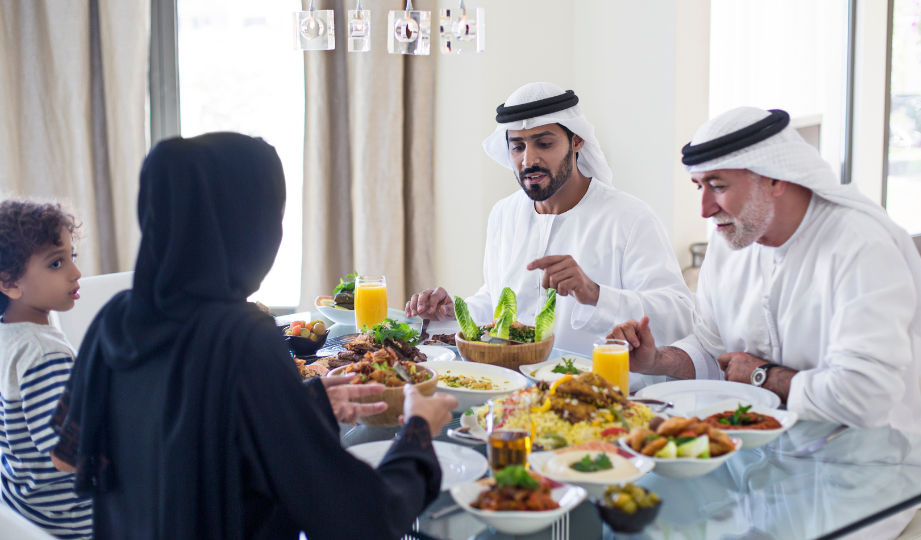
One of the most interesting things about traditional Emirati food is the way it brings people together. Many dishes are prepared in generous portions and served for everyone to share. Meals are an important part of family gatherings, celebrations, festivals and hospitality.
The flavours are generally aromatic rather than fiery. Spices such as saffron, turmeric, cardamom and dried lime create a distinctive taste without overwhelming the ingredients. So, even if you prefer mildly spiced food, there is plenty to explore.
Here are seven famous Emirati dishes to add to your Abu Dhabi food bucket list.
Suggested Read: Places to visit in Abu Dhabi
7 Emirati Dishes You Must Try in Abu Dhabi
1. Machboos : A Fragrant Rice Dish Full of Flavour
If there is one dish you should start with when exploring Emirati cuisine, make it Machboos. Also spelt Majboos or Makbous, this popular rice-based meal is a staple in many Gulf households.
At first glance, it may remind you of biryani, but the flavour profile is quite different. Machboos is generally prepared by cooking meat, chicken or fish in a seasoned broth and then using that broth to cook the rice. The dish gets its signature aroma from a blend of spices, saffron and loomi, which is dried lime.
The result is a comforting plate of fragrant rice with tender meat or seafood and a slightly tangy flavour. Chicken and lamb are popular choices, but fish machboos is particularly worth trying in Abu Dhabi, given the city's coastal heritage.
Why is Machboos special?
Machboos reflects the influence of the region's trade routes and its connection to the sea. The use of dried lime gives the dish a distinctive flavour, while slow cooking allows the spices to blend beautifully with the rice and meat. It is filling, flavourful and often served as a main meal for families and gatherings.
Where can you try it?
Head to Al Mrzab Restaurant on Airport Road for traditional Emirati and Kuwaiti cuisine. Its machboos is a good dish to look out for when visiting. You can also explore the Emirati menu at Al Fanar Restaurant & Café, including its seafood and rice preparations.
Suggested Read: Abu Dhabi Travel Guide
2. Harees: A Slow-Cooked Comfort Food
Some dishes win you over with bold spices, while others do it through their simplicity. Harees belongs to the second category.
Made using wheat and meat, usually chicken or lamb, Harees is cooked slowly for several hours until the ingredients blend into a thick, smooth and creamy consistency. It is often finished with a little ghee, which adds richness to the dish.
The preparation may sound simple, but the cooking process takes patience. The wheat gradually softens, the meat becomes tender, and everything comes together into a hearty meal. Its mild flavour and comforting texture make it quite different from the rice-based dishes you may be familiar with.
Harees has a special place in Emirati celebrations, particularly during Ramadan, Eid and family occasions. It is commonly served as part of Iftar meals and is enjoyed for its warmth and nourishing quality.
Why is Harees special?
Harees is a reminder that traditional cooking is often about time, care and sharing. It uses a handful of basic ingredients but requires slow preparation to achieve its characteristic texture. For travellers who want to experience food that is deeply connected to local traditions, this is a must-try.
Where can you try it?
Al Mrzab Restaurant is a well-known option for traditional Harees in Abu Dhabi. You can also check the local menu at Al Fanar Restaurant & Café. Availability may vary, particularly outside festive seasons, so it is worth checking before you visit.
Suggested Read: Abu Dhabi Tourism
3. Thareed: A Traditional Stew with Flatbread
Think of a hearty stew served over soft bread, with every bite soaking up the rich flavours of the broth. That is Thareed.
This traditional Emirati dish is usually made with lamb or chicken, vegetables such as potatoes and carrots, and a flavourful spiced broth. The ingredients are slow-cooked until the meat becomes tender and the vegetables absorb the seasoning.
What makes Thareed different is the bread. Thin Emirati flatbread, often known as regag, is placed at the bottom of a serving dish. The stew is poured over it, allowing the bread to soak up the broth and turn soft. The result is a satisfying combination of textures and flavours.
Thareed is traditionally associated with family meals, Ramadan Iftar and special gatherings. It is often served in a large dish, making it perfect for sharing.
Why is Thareed special?
Thareed is a wonderful example of how everyday ingredients can become a memorable meal. The combination of bread, vegetables and slow-cooked meat creates a comforting dish that reflects the warmth of Emirati hospitality. It is also a great option if you enjoy Indian-style gravies and stews but want to try something with a distinctly local character.
Where can you try it?
For a home-style Emirati dining experience, consider Yadoo's House Restaurant & Café on Muroor Road. The restaurant takes inspiration from family recipes and traditional hospitality. It is a good place to explore local dishes and ask about the availability of Thareed.
4. Madrooba: A Taste of the UAE's Coastal Heritage
Abu Dhabi's relationship with the sea has influenced its food culture for generations. Madrooba, also written as Madrouba, is one dish that reflects this connection.
Traditionally, Madrooba is prepared using salted fish, spices and a thick sauce. The ingredients are cooked together until they form a rich, soft consistency. The name is associated with the process of beating or mashing the ingredients during preparation.
Depending on the recipe, Madrooba can have a thick, almost porridge-like texture. It is a hearty dish with a distinctive seafood flavour and a blend of local spices. It may be unfamiliar to first-time visitors, but that is exactly what makes it worth exploring.
Why is Madrooba special?
Madrooba offers a glimpse into the coastal side of Emirati food traditions. Fishing was an important part of life in the region, and preserving fish through salting helped communities make use of their catch. This dish carries that culinary history forward.
If you enjoy seafood and are keen to try something beyond the usual grilled fish or prawns, Madrooba is a good choice.
Where can you try it?
Look for traditional seafood preparations at Al Fanar Restaurant & Café or ask about local fish dishes at Al Mrzab Restaurant. Since Madrooba may not be available every day, check the current menu or ask the restaurant before making a special trip.
5. Lamb Khuzi: A Traditional Feast for Sharing
If you are travelling with family or friends and want to try a dish that feels like a celebration, Lamb Khuzi is a great choice.
Also known as Ghuzi or Ouzi, this traditional dish usually features a whole roasted lamb or large pieces of lamb served over a generous bed of spiced rice. The rice may be prepared with aromatic spices, saffron and nuts, adding different flavours and textures to the meal.
The lamb is cooked until tender, while the rice absorbs the rich flavours of the meat and seasoning. The dish is often presented on a large platter, making it a centrepiece for gatherings, celebrations and special occasions.
Why is Lamb Khuzi special?
Khuzi represents the generous spirit of Emirati hospitality. Its large portions and sharing-style presentation make it particularly suited to family meals and celebrations. It is also a wonderful way to experience the region's traditional use of meat, rice and spices in one satisfying dish.
Where can you try it?
You can explore traditional lamb and rice preparations at Al Fanar Restaurant & Café. Some Abu Dhabi hotels and restaurants also feature Emirati-style lamb dishes on their menus. Ask specifically for Khuzi or Ghuzi, as the name and preparation can vary between establishments.
6. Luqaimat: A Sweet Emirati Favourite
No food journey is complete without dessert, and Luqaimat is one of the most loved traditional Emirati sweet treats.
These small, round dumplings are made from a simple dough, deep-fried until golden and crisp on the outside, and soft and airy on the inside. They are usually finished with date syrup or honey and sometimes sprinkled with sesame seeds.
The contrast is what makes them so enjoyable. You get a light crunch as you bite into the outside, followed by a soft centre and a sweet finish. They are best enjoyed warm, soon after they have been prepared.
Luqaimat is especially popular during Ramadan, when freshly fried portions are enjoyed at Iftar gatherings. However, you can also find them at restaurants and traditional food outlets throughout the year.
Why are Luqaimat special?
Luqaimat is more than just a dessert. It is associated with celebrations, hospitality and the joy of sharing something sweet with family and friends. The use of date syrup also connects the dessert to one of the UAE's most important traditional ingredients.
Where can you try it?
Try the traditional Emirati menu at Al Fanar Restaurant & Café or visit Meylas at Al Muneera, Al Raha Beach, for a taste of local cuisine. You can also look for freshly prepared Luqaimat at food stalls and seasonal markets, particularly during Ramadan.
7. Chabab: Emirati Pancakes for Breakfast
Looking for something delicious to begin your day in Abu Dhabi? Add Chabab to your breakfast list.
Also spelt Chebab, these thin Emirati pancakes are prepared using a batter made with flour, eggs and other basic ingredients. Cardamom and saffron give them their distinctive aroma and golden colour. They are usually served warm with date syrup, honey or cheese.
Chabab may remind you of pancakes you have eaten elsewhere, but its flavour is distinctly Emirati. The aromatic spices and the sweetness of date syrup give it a character of its own.
It is commonly enjoyed as a breakfast favourite, often alongside tea or Arabic coffee. If you prefer trying local food in the morning rather than starting with a heavy lunch or dinner, Chabab is a lovely place to begin.
Why is Chabab special?
Chabab brings together two important elements of Emirati food culture: traditional bread-making and the use of aromatic spices and dates. It is simple, comforting and easy to enjoy, even if you are trying Emirati cuisine for the first time.
Where can you try it?
Meylas, located at Al Muneera, Al Raha Beach, is a great place to explore traditional Emirati breakfast options. Its menu celebrates local recipes and home-style cooking. You can also check the breakfast offerings at Al Fanar before visiting.
Where to Try Traditional Emirati Food in Abu Dhabi
Knowing what to order is one thing; finding the right place to enjoy it is another. Fortunately, Abu Dhabi has several restaurants where visitors can explore local flavours in settings inspired by Emirati culture and hospitality.
Here are a few places to consider:
1. Al Fanar Restaurant & Café: A popular choice for traditional Emirati dining, Al Fanar combines local flavours with a nostalgic setting inspired by the UAE's past. Its Yas Mall branch is particularly convenient if you are exploring Yas Island.
2. Al Mrzab Restaurant: Located on Airport Road, Al Mrzab is known for its traditional Emirati and Kuwaiti dishes. It is a good option for visitors looking for hearty, home-style meals such as machboos and harees.
3. Yadoo's House Restaurant & Café: Inspired by the idea of a grandmother's home, Yadoo's House offers a welcoming setting and dishes rooted in family recipes. It is worth considering for a taste of traditional Emirati cooking.
4. Meylas: Located at Al Muneera, Al Raha Beach, Meylas celebrates Emirati home cooking with a modern touch. It is a particularly good option for exploring local breakfast dishes such as Chabab.
Restaurant menus and opening hours can change, and not every traditional dish is served every day. It is always a good idea to check the latest menu or contact the restaurant before visiting.
Tips for Exploring Emirati Cuisine in Abu Dhabi
A little planning can make your food experience even better. Keep these tips in mind when exploring traditional food in Abu Dhabi:
- Start with familiar flavours: If this is your first time trying Emirati cuisine, begin with Machboos or Chabab. Both are approachable options for most visitors.
- Try a sharing platter: Many traditional dishes are served in generous portions. If you are travelling with family or friends, sharing a few dishes is a great way to sample more food.
- Save room for dessert: Do not leave without trying Luqaimat. They are best enjoyed warm with date syrup.
- Ask about the ingredients: Some traditional dishes contain meat, fish or dairy. If you have dietary preferences or restrictions, ask the restaurant staff before ordering.
- Explore local breakfast options: Chabab and other traditional breads offer a different way to experience Emirati food beyond lunch and dinner.
- Try Arabic coffee with dates: Gahwa, a lightly spiced Arabic coffee, is an important part of Emirati hospitality. It is traditionally served in small cups with dates.
Frequently asked questions
Machboos is among the best-known traditional Emirati dishes. It is a fragrant rice preparation cooked with meat, chicken or fish, along with spices and dried lime. Harees, Thareed and Luqaimat are also popular local favourites.