
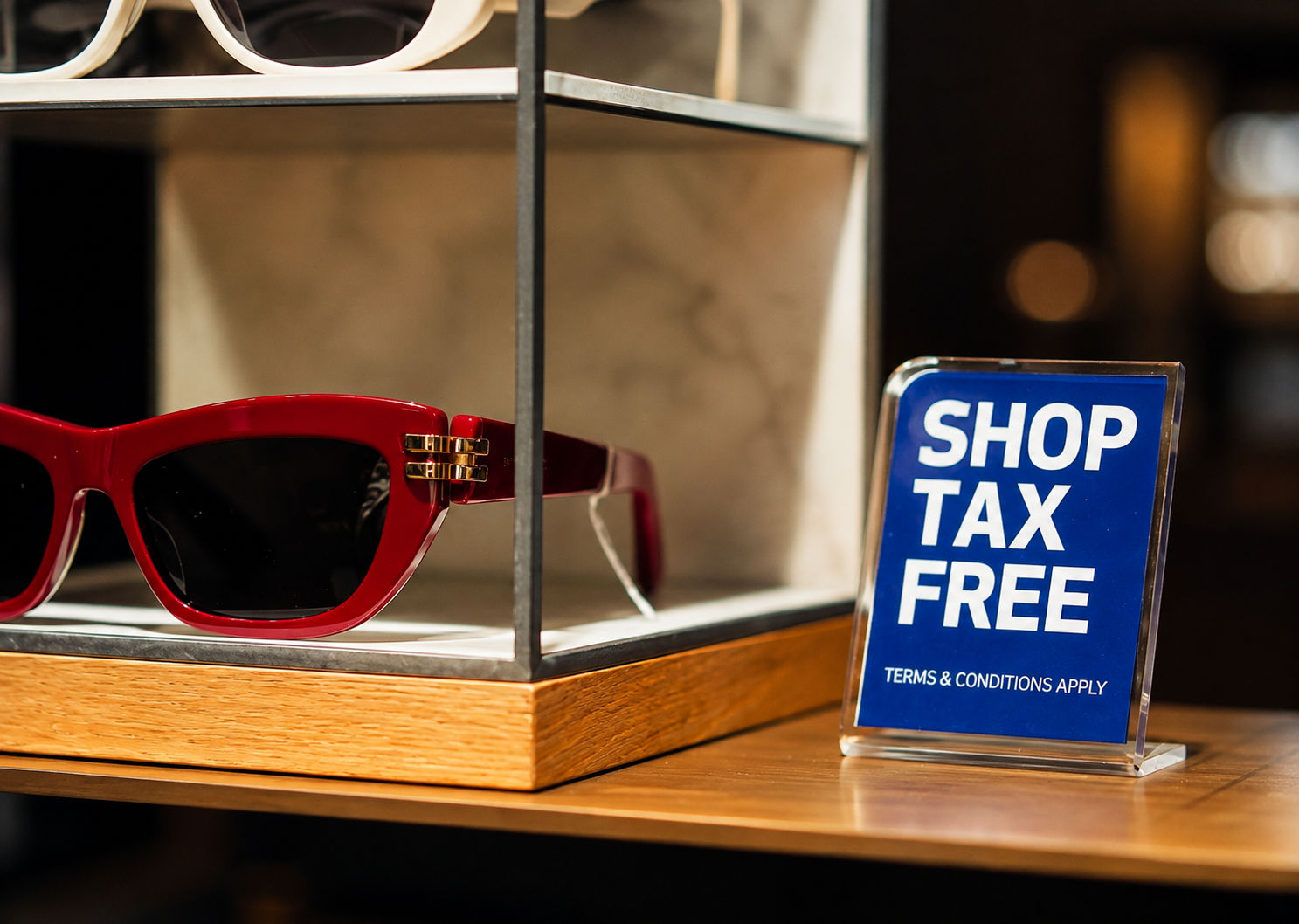
Japan is Overhauling Tax-Free Shopping in 2026
If a Tokyo or Osaka shopping spree is on your 2026 itinerary, there’s a change coming that could catch you off guard at the checkout counter. Japan is retiring its long-standing instant tax exemption and replacing it with an airport-based refund system, and the switch is going to be executed from November 1, 2026.
For years, the process was refreshingly simple. Hand over your passport at a tax-free counter, watch the cashier knock 10% off the bill on the spot, and walk out with the discounted price already applied. No paperwork chase, no waiting in line at the airport. That era is ending. From November, every tourist - Indian travellers included - will pay the full, tax-inclusive price at the register and claim the refund separately before boarding their flight home.
Here’s a clear breakdown of what’s actually changing, who it affects, and how to make sure you don’t lose out on a refund you’re entitled to.
Why is Japan Scrapping the Old System?
This isn’t a random bureaucratic reshuffle. Japan’s Ministry of Finance and National Tax Agency have pointed to a fairly specific problem: the old point-of-sale exemption was too easy to abuse. Tax-free goods were reportedly being resold inside Japan rather than taken out of the country, and enforcement under the old model relied heavily on paperwork checks that were simple to slip through.
By moving the refund to the airport - the last possible checkpoint before a traveller actually leaves Japanese soil – authorities get a way to digitally verify that tax-free purchases are genuinely being exported. Every purchase gets logged electronically at the time of sale, tied to your passport, and cross-checked when you show up for departure. It’s a shift toward the kind of centralised, trackable refund system already used across much of Europe.
What Actually Changes on November 1, 2026
Here’s the practical difference travellers will feel:
- Before November 1, 2026: You still get the instant exemption. Show your passport, pay the discounted tax-exclusive price, and leave the store with nothing further to do.
- From November 1, 2026 onward: You pay full price – tax included – at checkout. The purchase gets recorded digitally against your passport. Before your international flight departs, you head to an airport refund point, scan your passport, and the consumption tax gets returned to you, typically to the card used for the purchase.
There’s no gradual blend of the two systems and no grace period. Buy something on October 31 and the old rules apply. Buy the same item a day later, and you’re paying full price upfront with the refund coming later. It is a hard cutover, not a phase-in.
A few structural details are also changing alongside the payment timing. The old requirement to keep “general goods” and “consumables” calculated separately – with a ¥500,000 daily cap specifically on consumables – is being scrapped. Under ther new rules, everything you buy at a single store can be combined toward the refund threshold, which actually makes qualifying somewhat easier than before. The sealed-bag requirement for cosmetics, snacks and other consumables is also going away, since the export verification now happens digitally rather than through a taped-shut bag at customs.
One thing that isn’t changing: the minimum spend. You’ll still need to cross roughly ¥5,000 (before tax) at a single store on a single day to qualify for the refund.
Who Still Qualifies?
Eligibility hasn’t really shifted. This remains a benefit reserved for short-term visitors, not for anyone with long-term status in Japan.
You qualify if you:
- Enter Japan on a short-term tourist or sightseeing landing status
- Carry the temporary visitor stamp issued at immigration
- Present a valid passport at the time of purchase
You do not qualify if you:
- Hold a work visa, student visa, spouse visa, or any long-term residency status
- Are a Japanese resident, even if temporarily abroad
- Are purchasing goods intended for resale or business use
Indian travellers visiting on standard tourist visas fall squarely into the eligible category, so this is really a process change rather than an eligibility change for most of our travellers.
How the Airport Refund Actually Works
Picture your departure day sequence with one extra stop built in. After check-in and before you head through security, you’ll need to locate the tax refund counter or self-service booth at your departure airport. Reports on the new system suggest it will lean heavily on the booth - you scan your passport, the system automatically retrieves everything you bought that’s registered against it, and it either processes the refund on the spot or flags your purchase for a manual check.
Refunds are expected to come back primarily through electronic methods, most often credited to the card used for the original purchase, rather than handed over as cash. That’s a meaningful shift for travellers used to walking away with yen in hand.
The location detail that trips people up most often: your refund gets processed at your final point of international departure, not wherever you happened to shop. If your trip runs Kyoto to Tokyo to Delhi, your Kyoto purchases still get refunded in Tokyo, right before you board the international leg. Anyone connecting through a domestic flight or a Shinkansen leg before their international departure needs to factor that into their airport arrival time – this isn’t a step you can complete after you’ve already left the country.
Duty-free shops located past immigration, inside the restricted departure area, are a separate category altogether and aren’t touched by any of this. Those continue operating exactly as before, with instant exemption at tax-exclusive prices, since they've never operated under the consumption-tax refund scheme in the first place.
What This Means for Your Travel Budget?
The most immediate practical impact is on cash flow during the trip. If you are planning to buy something significant like a camera, jewellery, branded fashion, or a haul of skincare and electronics, you now need to budget for the full price at the point of purchase, not the discounted one.
A ¥100,000 purchase that used to cost you ¥90,000 at the till will now cost the full ¥100,000 when you swipe your card, with the ¥10,000 coming back later at the airport. For travellers working with a fixed shopping budget converted from rupees before the trip, this is worth planning around, since your available balance won’t stretch quite as far in the moment, even though the total cost works out the same once the refund lands.
It’s also worth building extra time into your departure- day schedule. Airport refund processing - especially during peak travel windows like cherry blossom season, Golden Week, or the year-end holidays - is likely to mean longer queues than the old in-store process ever required. Arriving well ahead of your usual buffer for an international flight is a sensible precaution.
Quick Tips for a Smooth Refund Experience
- Shop early in your trip, so you have time to sort out any registration issues at the store before you leave the city
- Keep every receipt, ideally photographed as backup, since these will likely be needed to support your refund claim
- Don’t assume cash refunds – plan for the money to land back on your card, which may take a few business days
- Build in airport time, particularly if you’re connecting through a domestic leg before your international flight
- Check with the store at checkout whether they’ve already moved to the new system, since some larger retailers may transition ahead of the November deadline
Planning a Japan Trip Around the Changeover?
Whether your trip falls before or after November 1, 2026, the core takeaway is that tax-free shopping in Japan isn’t disappearing - it’s simply moving to a new address, from the store counter to the airport gate. With a little planning around receipts, timing, and budget, the savings remain the same.
At Utazzo, our Japan itineraries are built around exactly these kinds of shifting details, so our travellers land with realistic expectations for shopping, timing, and departure logistics. If you’re mapping out a Tokyo, Osaka, or Kyoto trip for 2026 and want a plan that already accounts for this transition, our travel experts are happy to help you put one together.
Frequently asked questions
No. The benefit itself stays intact - eligible travellers still get the full 10% consumption tax back. What’s changing is the timing and location: you’ll pay full price at the store and collect a refund at the airport, rather than getting it deducted instantly.